
TL;DR

Get kitchen staples and gadgets delivered free with Prime
- Fast, free delivery on millions of items
- Prime Video, Amazon Music and more included
- Member-only deals all year
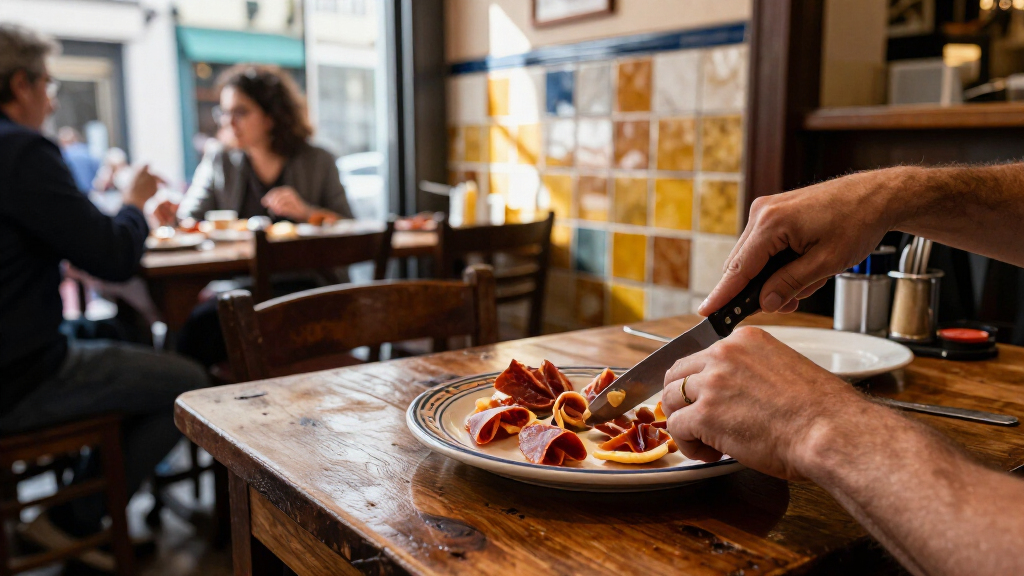
The Spanish Embassy in Buenos Aires has identified five restaurants that serve authentic Spanish cuisine, allowing diners to experience flavors similar to those in Spain. This trend reflects growing interest in Spanish culinary culture in Argentina.
The Spanish Embassy in Buenos Aires has officially recognized five local restaurants that serve authentic Spanish cuisine, providing a taste of Spain within Argentina. This recognition highlights the growing popularity of Spanish culinary traditions among residents and visitors, and underscores the cultural ties between the two countries.
According to a recent report by La Nación, the Spanish Embassy has curated a list of five restaurants in Buenos Aires that are noted for their authentic Spanish dishes. These establishments have been selected based on their adherence to traditional recipes, quality of ingredients, and overall representation of Spanish culinary culture. The list aims to guide both locals and tourists seeking genuine Spanish flavors without leaving Argentina.
The five restaurants include Casa de España, El Rincón de España, La Casa del Toro, Madrid Fusion, and La Taberna Española. Each offers a distinct experience, from traditional tapas and paellas to regional specialties from different parts of Spain. The recognition from the embassy is seen as a mark of quality and authenticity, encouraging diners to explore Spanish cuisine more deeply.
While the list is now publicly available, the process behind the selection remains partly undisclosed. Officials from the embassy emphasized that the recognition is based on strict criteria, including culinary authenticity, use of traditional ingredients, and adherence to cooking techniques typical of Spain. The trend reflects a broader cultural interest that has been growing in Buenos Aires, which has a vibrant culinary scene with diverse influences.
Implications for Culinary Tourism and Cultural Exchange
This recognition by the Spanish Embassy signifies a boost for culinary tourism in Buenos Aires, promoting authentic Spanish cuisine as a cultural experience. It can attract more visitors interested in exploring Spain’s culinary heritage without traveling abroad, fostering deeper cultural ties between Argentina and Spain. Additionally, it may influence other local restaurants to elevate their standards to meet these recognized benchmarks, further enriching Buenos Aires’ diverse food scene.
For diners, the list provides a trusted guide to genuine Spanish flavors, supporting the preservation and promotion of traditional recipes amid evolving culinary trends. It also highlights the importance of cultural diplomacy through cuisine, strengthening bilateral ties and mutual appreciation between the two nations.
Products Worth Considering

DeLonghi Rivelia Automatic Espresso Machine Bundle with Grinder and Frother, Beige

Ninja CREAMi 7-in-1 Ice Cream Maker, NC301

Traeger Woodridge Pro Wood Pellet Grill and Smoker, 970 sq. in., WiFIRE
As an affiliate, we earn on qualifying purchases.
Growing Interest in Spanish Cuisine in Buenos Aires
Buenos Aires has long been known for its diverse culinary landscape, influenced by Italian, Spanish, and other European traditions. Over recent years, there has been a notable increase in interest in authentic Spanish cuisine, driven by cultural exchanges, tourism, and the presence of Spanish expatriates. This trend has prompted local restaurants to emphasize traditional recipes and techniques, aiming to meet the expectations of both Argentine diners and visitors seeking authentic flavors.
The recognition by the Spanish Embassy appears to be part of a broader effort to promote Spanish culture through cuisine, aligning with initiatives to strengthen diplomatic and cultural ties. While the list of five restaurants is a recent development, it builds on years of growing interest and the emergence of Spanish-themed eateries in the city.
It is also worth noting that food trends often reflect wider cultural currents, with Argentines increasingly seeking diverse international experiences. The official endorsement from the embassy lends credibility and visibility to the establishments, potentially boosting their business and influence.
Details Behind the Selection Process Remain Unclear
While the list of five restaurants has been publicly announced, the exact criteria and process used by the Spanish Embassy to select these establishments have not been fully disclosed. It is unclear whether the selection was based solely on culinary authenticity, popularity, or other factors such as cultural significance.
Additionally, it remains to be seen whether this list will be updated or expanded in the future, or if other restaurants might be considered for similar recognition. The influence of the recognition on the restaurants’ business and reputation is also still developing and not yet measurable.
Potential for Expanded Recognition and Cultural Events
Following this announcement, it is expected that the recognized restaurants may host special events, themed nights, or collaborations with Spanish culinary experts to further promote authentic flavors. The embassy might also consider expanding the list or organizing culinary festivals to celebrate Spanish cuisine in Buenos Aires.
For consumers, the next step is to visit these establishments and experience the authentic Spanish dishes firsthand. Meanwhile, other restaurants may seek to elevate their offerings to gain similar recognition, fostering a broader appreciation of Spanish culinary heritage in the city.
Key Questions
What criteria did the Spanish Embassy use to select these restaurants?
The embassy has indicated that selections are based on culinary authenticity, use of traditional ingredients, and adherence to authentic Spanish cooking techniques, though full details have not been disclosed.
Are these restaurants considered the best Spanish eateries in Buenos Aires?
The list reflects the embassy’s recognition of establishments that meet specific authenticity standards, but other popular or well-regarded Spanish restaurants may not be included.
Will the list be updated in the future?
It is not yet clear whether the embassy plans to revise or expand the list, but future updates could reflect new standards or emerging establishments.
How does this recognition impact the restaurants involved?
The recognition can enhance their reputation, attract more customers interested in authentic Spanish cuisine, and possibly lead to cultural collaborations or special events.
Source: local