
TL;DR

Get kitchen staples and gadgets delivered free with Prime
- Fast, free delivery on millions of items
- Prime Video, Amazon Music and more included
- Member-only deals all year
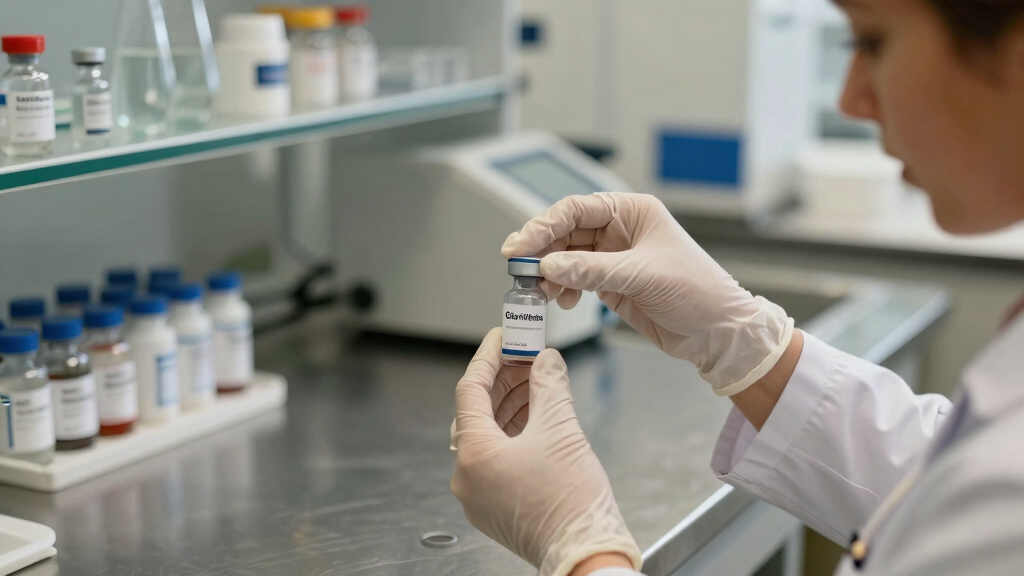
Gavi has approved a $180 million funding package to strengthen vaccine manufacturing in Africa. This move aims to improve local vaccine supply and pandemic resilience, marking a significant step in regional health infrastructure development.
Gavi, the Vaccine Alliance, has approved a $180 million fund to support the development of vaccine manufacturing facilities across Africa. This initiative aims to enhance regional capacity to produce vaccines locally, reducing dependence on imports and improving pandemic preparedness. The funding, announced on March 15, 2024, represents a significant investment in Africa’s health infrastructure and vaccine self-sufficiency.
The $180 million allocation will be distributed over the next three years, targeting several African countries with existing or planned vaccine manufacturing projects. Gavi’s funding will support infrastructure development, technology transfer, and workforce training, according to a statement from the organization. Officials emphasize that this initiative is part of broader efforts to strengthen health systems and ensure equitable vaccine access across the continent.
Gavi’s decision follows recent efforts by the World Health Organization and African Union to bolster vaccine manufacturing capacity on the continent. The funding aims to address longstanding supply gaps, especially for vaccines against diseases like measles, yellow fever, and COVID-19. The initiative also aligns with global health goals to achieve self-reliance and resilience against future pandemics.
Impact on Africa’s Vaccine Self-Reliance
The approval of this $180 million fund is a landmark step toward increasing vaccine self-sufficiency in Africa. Local manufacturing can reduce reliance on imports, lower costs, and improve timely access to vaccines during outbreaks. Experts highlight that strengthening regional capacity is crucial for pandemic preparedness and health security, especially given recent disruptions in global supply chains.
This investment could also stimulate economic development through job creation and technology transfer, fostering innovation within the continent’s health sector. However, the success of the initiative depends on effective implementation, infrastructure development, and sustainable funding beyond the initial investment.
As an affiliate, we earn on qualifying purchases.
Background on Africa’s Vaccine Manufacturing Challenges
Historically, Africa has faced significant challenges in vaccine supply, relying heavily on imports from Europe, Asia, and North America. Limited local manufacturing capacity has contributed to delays and shortages during health crises, including the COVID-19 pandemic. Prior efforts to establish regional manufacturing hubs have faced hurdles related to funding, technology transfer, and regulatory capacity.
In recent years, international organizations and African governments have prioritized building vaccine manufacturing capabilities. Gavi’s support is part of a broader strategy, including commitments from the African Union and WHO, to develop regional production hubs in countries like Senegal, South Africa, and Nigeria. This initiative aims to create a more resilient vaccine supply chain for the continent.
“This funding marks a pivotal step toward achieving vaccine self-sufficiency in Africa, enabling the continent to produce its own vaccines and respond more effectively to health emergencies.”
— Dr. Seth Berkley, Gavi CEO
As an affiliate, we earn on qualifying purchases.
Implementation Challenges and Long-term Sustainability
While the funding has been approved, it is still unclear how quickly the projects will be operational and whether the investments will be sufficient to establish fully functional manufacturing facilities. Challenges such as regulatory capacity, technology transfer, and infrastructure development remain. Additionally, the long-term sustainability of these facilities depends on continued funding, market demand, and regional cooperation, which are still being developed.
As an affiliate, we earn on qualifying purchases.
Next Steps for Building Vaccine Manufacturing Capacity in Africa
Gavi and partner organizations will now focus on selecting recipient countries and projects for funding allocation. The organization plans to monitor progress over the next 12 months, with initial infrastructure and technology transfer activities expected to begin within this period. Further updates on project milestones and operational timelines are anticipated in the coming months.
As an affiliate, we earn on qualifying purchases.
Key Questions
Which African countries will benefit from the funding?
The specific countries have not yet been announced, but initial projects are expected in nations with existing or planned vaccine manufacturing facilities, such as Senegal, Nigeria, and South Africa.
What types of vaccines will this funding support?
The focus will be on vaccines for diseases prevalent in Africa, including measles, yellow fever, and COVID-19. The aim is to support both existing and new manufacturing capabilities for a range of vaccines.
How will this funding improve vaccine access during health emergencies?
By increasing local production, African countries can respond more rapidly to outbreaks, reducing delays caused by import dependencies and supply chain disruptions.
What are the main challenges to establishing vaccine manufacturing in Africa?
Major challenges include infrastructure development, regulatory capacity, technology transfer, and sustainable funding. Addressing these is critical for long-term success.
Is this funding part of a larger global effort?
Yes, it complements initiatives by WHO, the African Union, and other international partners aimed at strengthening regional health systems and pandemic preparedness.
Source: google-trends
Halloween Picks
halloween
As an affiliate, we earn on qualifying purchases.