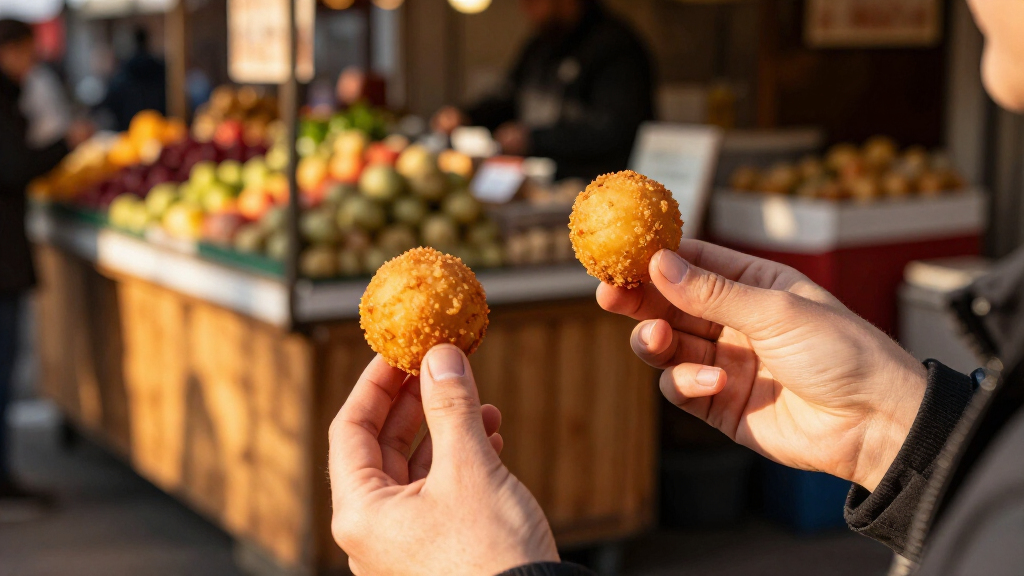

🔍 Read the full analysis: Supplì Vs Arancini: Rome And Sicily's Fried Rice Rivalry on Mad Tasting

Get kitchen staples and gadgets delivered free with Prime
- Fast, free delivery on millions of items
- Prime Video, Amazon Music and more included
- Member-only deals all year
TL;DR
Supplì and arancini are two iconic Italian rice snacks with distinct regional identities. Supplì originate from Rome as small, mozzarella-filled ovals, while arancini hail from Sicily as larger, saffron-seasoned balls or cones filled with ragù. This rivalry highlights regional culinary traditions and cultural pride, as detailed in Supplì vs Arancini: Rome and Sicily’s Fried Rice Rivalry.
Rome’s beloved supplì and Sicily’s iconic arancini exemplify Italy’s rich regional culinary traditions, but their differences often spark passionate debate among food enthusiasts and locals alike. While both are fried rice snacks, their distinct shapes, fillings, and roles in daily life reflect deep regional identities. This story explores these differences, their historical roots, and why they matter in Italy’s culinary landscape.
Supplì are small, elongated, oval-shaped fried rice croquettes originating from Rome, typically featuring tomato-seasoned rice wrapped around a molten mozzarella core. For more on their regional significance, see the original analysis. They are traditionally served as a quick street food or pizzeria snack, often judged by the iconic cheese pull known as supplì al telefono, or ‘telephone-style,’ where mozzarella stretches between split halves. In contrast, arancini are larger, round or cone-shaped rice balls from Sicily, usually saffron-flavored and built around a distinct filling such as ragù with peas and cheese. They are substantial enough to serve as a meal and are a staple of Sicilian street food and lunch offerings.
The differences extend beyond shape and size: supplì are generally smaller, with rice cooked risotto-style and a simple mozzarella filling, while arancini are larger, with rice seasoned with saffron or stock, and feature a clearly defined center of ragù or other fillings. These distinctions are rooted in regional culinary traditions, with supplì serving as a quick Roman pre-pizza snack, and arancini functioning as a portable, filling lunch or street food across Sicily. Despite common misconceptions, calling supplì ‘Roman arancini’ is considered offensive by locals, as each reflects unique regional identities and cooking styles.
Cultural and Culinary Significance of Regional Variations
The rivalry between supplì and arancini underscores Italy’s diverse culinary landscape, where regional dishes serve as symbols of local identity and pride. Recognizing these differences enhances appreciation for Italy’s food culture, highlighting how history, geography, and local ingredients shape traditional snacks. For travelers and food enthusiasts, understanding these distinctions can lead to more authentic culinary experiences and promote respect for regional traditions, avoiding oversimplifications or mislabeling.
Products Worth Considering

Cuisinart ICE-100 1.5-Quart Automatic Ice Cream and Gelato Maker

Instant Pot InstantChill Ice Cream Maker with Rolled Ice Cream Cold Plate, 2-Pint

Instant Pot Duo Crisp Ultimate 6.5-Quart 13-in-1 Pressure Cooker and Air Fryer
As an affiliate, we earn on qualifying purchases.
Historical Roots and Regional Traditions Behind the Snacks
Supplì originated in Rome and Lazio as a street food and pizzeria snack, evolving from similar fried rice preparations. Their name derives from the Italian word for ‘little surprise,’ referencing the molten mozzarella core. Historically, supplì have been associated with Roman pizzeria rituals, eaten standing or on the go, with recipes often including simple ingredients like tomato rice and mozzarella. Arancini have a longer history in Sicily, dating back centuries with influences from Mediterranean trade. Their name means ‘little oranges,’ inspired by their shape and color, and they have been a staple of Sicilian street food and family meals, with regional variations in shape, filling, and seasoning. The terminology—arancini versus arancine—is influenced by regional dialects and identity, with Palermo favoring ‘arancina’ and Catania ‘arancino.’ Both foods reflect the islands’ agricultural and trade histories, incorporating local ingredients like saffron, peas, and various fillings.
Unresolved Aspects of the Regional Fried Rice Rivalry
While the core differences between supplì and arancini are well established, regional recipes and preferences continue to evolve, with some variations blurring the lines. For example, some Roman pizzerias experiment with saffron rice, and Sicilian vendors sometimes serve smaller arancini. Additionally, the debate over terminology—whether to call them supplì or arancini—remains lively, especially among dialect speakers and regional purists. It is also uncertain how modern culinary trends, such as fusion and gourmet reinterpretations, will influence these traditional snacks in the future. Further research is needed to understand how recipes are changing and whether new regional variants will emerge, potentially reshaping the rivalry further.
Future Trends and Cultural Preservation Efforts
Efforts to preserve authentic recipes and promote awareness of their cultural origins are ongoing among culinary institutions and regional communities. Festivals celebrating both supplì and arancini aim to showcase their traditional preparation methods and regional variations. Chefs experimenting with modern ingredients and presentation styles seek to honor tradition while appealing to contemporary tastes. The debate over terminology and regional identity is expected to continue, providing opportunities to deepen understanding and appreciation of Italy’s culinary diversity. As international interest in regional foods increases, initiatives to document and protect these traditional snacks are likely to expand.
Key Questions
What are the main differences between supplì and arancini?
Supplì are small, elongated rice croquettes filled with mozzarella, originating from Rome, typically served as street food. Arancini are larger, round or cone-shaped rice balls from Sicily, seasoned with saffron or stock, and often filled with ragù, peas, and cheese, usually served as a meal.
Why do Romans break their supplì in half?
The traditional method involves splitting a supplì to observe the mozzarella stretch, known as supplì al telefono, which indicates proper preparation and quality.
Are arancini and supplì interchangeable?
No. They are distinct regional specialties with different shapes, fillings, and cultural roles. Using the wrong term can overlook regional culinary identities.
Can I make authentic arancini or supplì at home?
Yes, with careful attention to rice cooking, shaping, and filling techniques, it is possible to prepare authentic versions of both snacks at home.
How are regional variations influencing these snacks today?
Chefs and food enthusiasts are experimenting with new fillings and presentation styles, which may lead to new regional variants, but also pose challenges to maintaining traditional authenticity.
Source: Mad Tasting