TL;DR

Get kitchen staples and gadgets delivered free with Prime
- Fast, free delivery on millions of items
- Prime Video, Amazon Music and more included
- Member-only deals all year
Recent searches and recalls related to ‘tiefkuhlkost’ (deep-freeze foods) highlight ongoing food safety concerns in Germany. Authorities are investigating potential contamination issues, but no definitive findings have been announced yet.
German food safety authorities are investigating potential contamination in ‘tiefkuhlkost’ (deep-freeze products) following a recent surge in consumer searches and recalls. The investigation aims to determine whether these products pose health risks, amid growing public concern.
Recent data shows a spike in searches related to ‘tiefkuhlkost’ in Germany, with over 50,000 searches recorded in the past week. Several Lidl stores have issued voluntary recalls of specific deep-freeze products, citing potential contamination with Norovirus or bacterial pathogens. Authorities have not yet confirmed the presence of harmful agents but are conducting tests on affected batches.
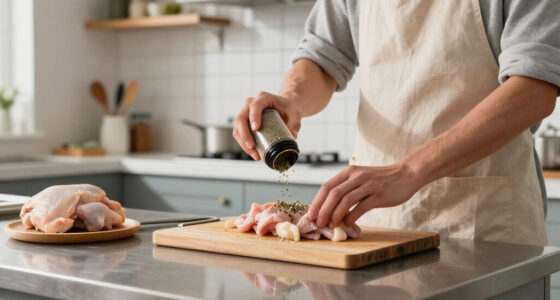
Food safety experts emphasize that ‘tiefkuhlkost’ products are generally safe when stored and prepared properly. However, recent incidents have raised awareness about the importance of proper handling and quality control in frozen foods. The recalls include various frozen vegetables and ready-meals, which are under investigation for possible contamination sources.
While no illnesses have been officially linked to these products, consumer confidence has been affected, prompting calls for stricter oversight and clearer labeling of frozen foods in Germany.
Potential Impact on Food Safety Standards and Consumer Confidence
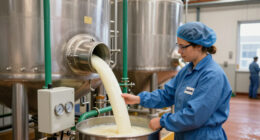
This development underscores the importance of rigorous quality control in the frozen food industry, especially as consumers become more vigilant about food safety. The investigation could lead to tighter regulations or new industry practices, affecting suppliers and retailers nationwide. For consumers, it raises awareness about safe handling and storage of deep-freeze products, impacting purchasing habits and trust in brands.
As an affiliate, we earn on qualifying purchases.
Recent Food Recalls and Search Trends Highlight Growing Concerns
Over the past month, German authorities have issued multiple recalls of frozen food items linked to potential contamination. The spike in online searches about ‘tiefkuhlkost’ reflects heightened public concern, possibly driven by media reports and recall notices. Historically, frozen foods are considered safe when handled correctly, but recent incidents have prompted scrutiny of supply chains and food safety protocols.
In early March, Lidl announced voluntary recalls of several frozen vegetable products after routine testing suggested possible microbial contamination. These actions follow previous cases involving foodborne illnesses linked to frozen foods in Europe.
Experts note that the cold storage process itself does not eliminate all pathogens, making proper cooking and handling essential. The current situation emphasizes the need for ongoing monitoring and transparency in food safety practices.
“We are cooperating fully with authorities and have implemented additional testing procedures for our frozen products to ensure safety.”
— Lidl spokesperson
food safety thermometer for frozen foods
As an affiliate, we earn on qualifying purchases.
As an affiliate, we earn on qualifying purchases.
Unconfirmed Links Between Frozen Foods and Illnesses
It remains unclear whether the current recalls are directly linked to actual contamination or are precautionary measures. No confirmed cases of illness have been reported so far, and laboratory tests are ongoing to determine the presence of pathogens.
Details about the specific contamination sources, if any, are still emerging. Authorities have not yet identified whether the issue stems from production, storage, or transportation processes.
freezer storage containers for vegetables
As an affiliate, we earn on qualifying purchases.
As an affiliate, we earn on qualifying purchases.
Ongoing Testing and Regulatory Review Expected Soon
Food safety agencies will publish detailed test results within the coming weeks. Retailers like Lidl are expected to expand testing protocols and improve traceability of frozen products. Consumers should stay alert to further recalls or safety alerts issued by authorities.
Legislators may consider stricter regulations for frozen food safety standards based on the investigation outcomes.
food-grade plastic bags for freezing
As an affiliate, we earn on qualifying purchases.
As an affiliate, we earn on qualifying purchases.
Key Questions
Are ‘tiefkuhlkost’ products currently unsafe to eat?
There is no confirmed evidence that all ‘tiefkuhlkost’ products are unsafe. Recalls are precautionary, and ongoing tests are underway to clarify the situation.
What should consumers do to stay safe with frozen foods?
Follow storage and cooking instructions carefully, check for recall notices, and stay informed through official food safety channels.
Which products are affected by the recalls?
Specific frozen vegetables and ready-meals sold at Lidl are under recall, but the full list will be updated as investigations progress.
Will this lead to new regulations for frozen foods?
Potentially, regulatory agencies may implement stricter safety standards depending on the investigation’s findings.
Source: google-trends
Fall Picks
fall essentials
As an affiliate, we earn on qualifying purchases.