
TL;DR

Get kitchen staples and gadgets delivered free with Prime
- Fast, free delivery on millions of items
- Prime Video, Amazon Music and more included
- Member-only deals all year
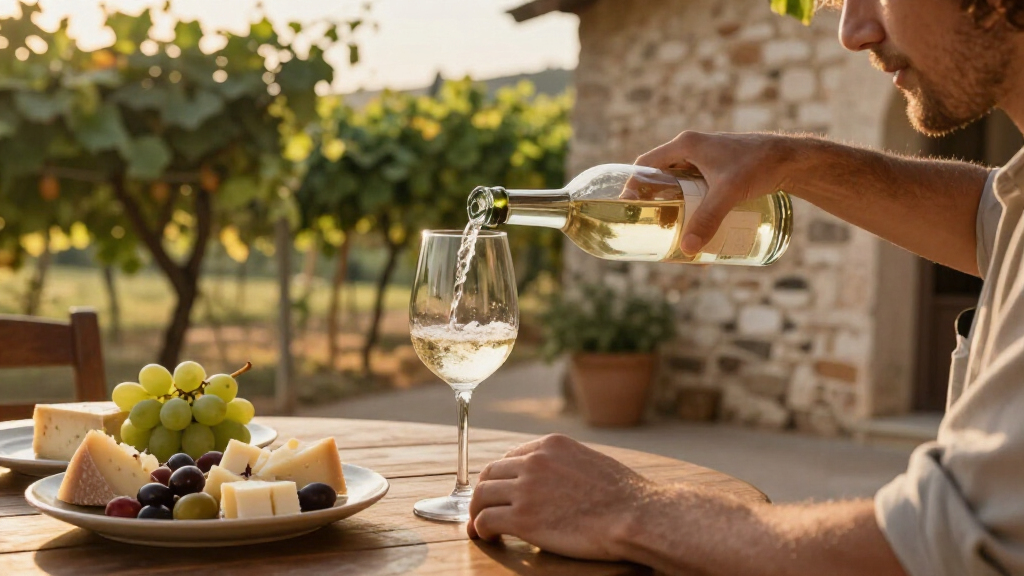
Falanghina and other southern Italian white wines are ideal for late summer, offering refreshing acidity and savory complexity. They pair well with seafood, vegetables, and grilled dishes, making them perfect for warm evenings.
Falanghina and other southern Italian white wines are emerging as top choices for the last days of summer, thanks to their refreshing acidity and savory complexity. These wines are versatile enough to complement everything from grilled seafood to ripe vegetables, making them essential bottles for warm evenings. Their balance of bright fruit and mineral tension ensures they remain inviting even as temperatures drop and autumn approaches.
Falanghina, originating from Campania, is celebrated for its lively acidity, citrus and stone fruit aromas, and a subtle herbal or saline finish. Learn more about this region’s wines in the original analysis. Most bottles are dry, stainless-steel fermented, and young, emphasizing freshness and clean fruit. The grape exists mainly in two forms: Falanghina Beneventana, linked to inland Sannio, and Falanghina Flegrea from the volcanic coastal area of Campi Flegrei. These regional differences influence flavor profiles, with inland versions tending toward fruit-forwardness and coastal styles exhibiting salinity and sharper edges.
Beyond Falanghina, a spectrum of southern Italian whites offers diverse textures and flavors. These wines are discussed in detail in the original analysis. Fiano, from Campania’s Irpinia region, provides richer, hazelnut and smoky notes suitable for cooler evenings. Greco di Tufo offers a firmer, mineral-driven profile that pairs well with bolder flavors like capers or charred fish. Carricante, from Sicily’s Etna region, features high acidity and saline lift, ideal for seafood. Other notable varieties include Grillo, Vermentino, and Pecorino, each bringing unique qualities to the table.
Choosing the right bottle depends on the meal and occasion. Labels indicate grape, region, vintage, and alcohol level, helping consumers select wines suited for light aperitivos or more substantial dishes. Recent vintages tend to be fresher, while older bottles may develop honeyed, nutty, or waxy notes, perfect for pairing with aged cheeses or roasted vegetables.
Why These Wines Are Perfect for Late Summer Evenings
Southern Italian white wines like Falanghina and its counterparts are well-suited for late summer because they combine bright acidity with enough texture and complexity to handle a variety of dishes. Their versatility allows them to brighten a plate of grilled seafood, complement the sweetness of September tomatoes, and remain inviting as evening temperatures cool. These wines offer a way to extend the season’s flavors and enjoy lighter, fresh fare with a wine that enhances rather than overpowers.
Moreover, their mineral and herbal notes provide a sense of place—reflecting volcanic soils, coastal breezes, and sunbaked vineyards—adding a layer of authenticity and depth to casual or special meals. As the season transitions, these wines serve as a bridge between summer’s brightness and autumn’s richer flavors, making them indispensable for wine lovers and home cooks alike.
As an affiliate, we earn on qualifying purchases.
The Evolution of Southern Italian White Wines
Southern Italy has long been known for its bold reds, but in recent years, its white wines have gained recognition for their freshness, complexity, and food-friendliness. Falanghina, Fiano, Greco, and Carricante are among the most celebrated varieties, often produced in dry, stainless-steel styles that emphasize purity and vibrancy. Historically, these wines were primarily enjoyed locally, but increased international interest has led to more refined winemaking and greater availability outside Italy.
The region’s volcanic soils, Mediterranean climate, and traditional vineyard practices contribute to the distinctive character of these wines. Producers are increasingly focusing on expressing terroir, with some experimenting with lees aging, skin contact, and barrel fermentation to add complexity. The growing appreciation for food pairings and casual dining has also helped elevate the profile of these whites, positioning them as versatile options for late-summer menus.
Recent vintages have been characterized by balanced ripeness and acidity, making them suitable for a range of dishes. As consumers seek wines that are both refreshing and substantial, southern Italian whites are becoming a go-to choice for pairing with seafood, vegetables, and early-autumn harvests.
“Falanghina’s bright acidity and saline finish make it an ideal companion for the last grilled seafood and summer vegetables. It’s a wine that refreshes and satisfies.”
— Wine expert Maria Russo
Southern Italian white wine gift set
As an affiliate, we earn on qualifying purchases.
As an affiliate, we earn on qualifying purchases.
Uncertainties About Style and Availability
While the general profiles of southern Italian whites are well-understood, specific characteristics can vary significantly depending on producer, vineyard site, and vintage. The availability of certain styles, such as sparkling or barrel-aged versions, remains limited outside Italy. Additionally, recent weather patterns have caused some vintage variability, with cooler or hotter years affecting ripeness and acidity levels. It is not yet clear how these factors will influence the overall consistency of the upcoming harvests.
As an affiliate, we earn on qualifying purchases.
Future Trends and How to Choose the Right Bottle
As interest in southern Italian whites continues to grow, producers are experimenting with new styles, including skin-contact and lees-aged wines, to add complexity. Consumers can expect more diverse offerings in the coming years. For shoppers, focusing on recent vintages, regional designations, and grape varieties will help identify wines that match personal taste and meal plans. Attending tastings, consulting with knowledgeable wine shop staff, and exploring regional guides can also enhance selection skills.
In the near term, the focus will likely remain on vibrant, food-friendly bottles that highlight the terroir and freshness of southern Italy’s vineyards, making them excellent choices for late-summer dining and beyond.
As an affiliate, we earn on qualifying purchases.
Key Questions
What foods pair best with Falanghina?
Falanghina pairs well with grilled seafood, fried calamari, tomato-based dishes, and young cheeses. Its bright acidity and herbal notes complement a variety of light, summery foods.
How should I serve these wines for optimal enjoyment?
Serve southern Italian whites chilled, around 45-50°F (7-10°C). Use a standard white wine glass to enhance aromatics and maintain freshness throughout the meal.
Are these wines suitable for aging?
Most Falanghina and similar varieties are best enjoyed young for their fresh, vibrant character. However, some Fiano and Greco can develop additional complexity with a few years of bottle aging.
Can I find these wines outside Italy?
Yes, increasingly regional producers and importers are offering southern Italian whites internationally, especially in specialty wine shops and online. Look for regional designations like Falanghina del Sannio or Fiano di Avellino.
Source: Mad Tasting
Fall Picks
fall essentials
As an affiliate, we earn on qualifying purchases.