
TL;DR

Get kitchen staples and gadgets delivered free with Prime
- Fast, free delivery on millions of items
- Prime Video, Amazon Music and more included
- Member-only deals all year
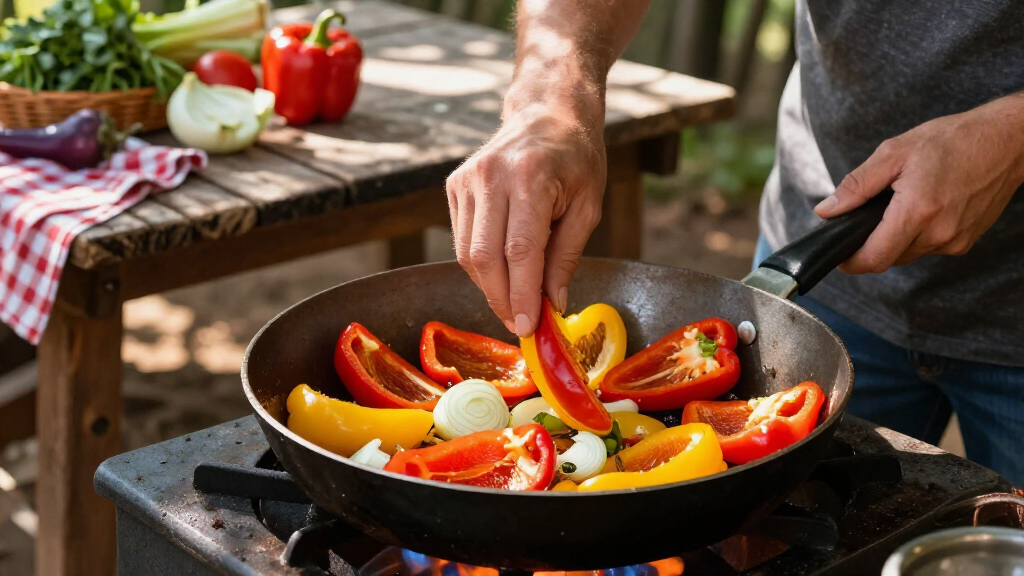
Peperonata is a classic Italian vegetable stew made with sweet peppers, onions, and tomatoes, slow-cooked until glossy and fragrant. It varies by region and household but is beloved for its rich, naturally sweet flavor. This dish exemplifies Italy’s resourceful cucina povera tradition and is a versatile staple for many meals.
Peperonata, the beloved Italian sweet pepper stew, is gaining renewed attention as a quintessential summer dish that captures the flavors of August in Italy. This slow-cooked vegetable medley, featuring peppers, onions, and tomatoes, exemplifies Italy’s resourceful cucina povera tradition and is cherished across regions. Its popularity is fueled by its versatility, rich flavor, and the simple technique that transforms inexpensive ingredients into a glossy, fragrant dish.
Peperonata is not a fixed recipe but a method of slow-cooking sweet peppers with onions and tomatoes until they collapse into a silky, naturally sweet sauce. The dish typically takes between 35 minutes and an hour of gentle heat, allowing the peppers’ sugars to caramelize and develop deep flavor. Variations abound: some cooks peel the peppers beforehand, others do not; regional differences include the addition of garlic, herbs, capers, or vinegar, reflecting local tastes and traditions.
Once cooked, peperonata benefits from resting, as flavors meld and intensify. It can be served warm or at room temperature, making it suitable as a side dish, pasta sauce, or topping for bruschetta and antipasto platters. Leftovers often taste better the next day, as the flavors deepen and the dish becomes more cohesive. Its simplicity and adaptability have made it a staple in Italian households, especially as a quick, nutritious weeknight meal.
Cultural and Culinary Importance of Peperonata
Peperonata embodies Italy’s resourceful approach to cooking, turning inexpensive, seasonal vegetables into a rich, flavorful dish. Its emphasis on slow cooking and natural sweetness reflects a broader tradition of cucina povera, where technique and patience elevate humble ingredients. The dish’s regional variations highlight Italy’s diverse culinary landscape, from the gentle, butter-based versions in the north to the bold, herbaceous styles in the south.
In recent years, peperonata has gained popularity beyond Italy, appreciated by vegetable-focused cooks worldwide. Its versatility, ease of preparation, and ability to showcase the peak flavors of summer peppers make it a timeless staple that continues to evolve while maintaining its core identity. Understanding peperonata offers insight into Italian food culture and the value placed on simple, honest cooking.
As an affiliate, we earn on qualifying purchases.
Historical Roots and Regional Variations
Peperonata has deep roots in Italy’s culinary history, dating back to rural, resourceful kitchens where seasonal vegetables were preserved and transformed into flavorful dishes. The dish’s name derives from peperone, the Italian word for bell pepper, which became a symbol of summer in Italy. Its technique—slow-cooking peppers with aromatics—aligns with other Mediterranean stews like ratatouille and caponata, but its focus remains on the peppers’ natural sweetness.
Within Italy, regional differences influence ingredients and presentation. Northern versions may include butter or potatoes, emphasizing a milder profile, while southern variants often incorporate garlic, capers, olives, and vinegar, adding sharper, briny notes. These variations reflect local produce and culinary traditions, making peperonata a flexible, adaptable dish that can be tailored to taste.
“Peperonata is a dish that captures the essence of summer in Italy—simple ingredients, slow cooking, and a focus on natural sweetness.”
— Italian food historian Maria Rossi
As an affiliate, we earn on qualifying purchases.
Uncertainties About Variations and Modern Uses
While the core technique of slow-cooking peppers is well established, specific regional ingredients and methods vary widely, and there is no single definitive recipe. It is unclear whether certain modern adaptations, such as adding balsamic vinegar or experimenting with different peppers, will become standard. Additionally, the dish’s popularity outside Italy continues to grow, but how it will evolve in different culinary contexts remains uncertain.
As an affiliate, we earn on qualifying purchases.
Future Trends and Potential Developments in Peperonata
As interest in traditional and vegetable-centric cooking increases globally, peperonata is likely to see further adaptations, including vegan versions, fusion styles, or incorporation into new dishes. Chefs and home cooks may experiment with regional ingredients and presentation, but the fundamental technique—slow, gentle cooking—will remain central. The dish’s versatility ensures it will continue to be a staple in Italian cuisine and beyond.
As an affiliate, we earn on qualifying purchases.
Key Questions
What are the key ingredients for authentic peperonata?
The core ingredients are sweet peppers (red and yellow), onions, ripe tomatoes, extra-virgin olive oil, and salt. Variations may include garlic, herbs, vinegar, capers, or olives.
How long does it take to cook peperonata?
The slow-cooking process typically lasts between 35 minutes to an hour, depending on the quantity and desired consistency. Resting the dish for a few hours enhances flavor.
Can peperonata be served cold?
Yes, peperonata can be served at room temperature or cold, making it suitable as a side, appetizer, or topping for bread and pasta.
Are there vegetarian or vegan versions of peperonata?
Absolutely. The dish is naturally vegetarian and vegan, provided no animal-derived ingredients are added. It is often made without any animal products.
What are common mistakes to avoid when making peperonata?
Avoid rushing the cooking process, which prevents proper caramelization. Overcrowding the pan or adding too much liquid early on can also hinder the peppers from developing their natural sweetness and glossy texture.
Source: Mad Tasting
Evergreen bestsellers Picks
bestsellers
As an affiliate, we earn on qualifying purchases.