TL;DR

Get kitchen staples and gadgets delivered free with Prime
- Fast, free delivery on millions of items
- Prime Video, Amazon Music and more included
- Member-only deals all year
The NYC health department has confirmed a growing cluster of Legionnaires’ disease cases on the Upper East Side. The outbreak has led to health alerts and investigations into potential sources. The situation remains developing, with authorities working to identify the cause.
The New York City health department has confirmed that the number of Legionnaires’ disease cases on the Upper East Side has increased significantly in recent weeks, raising public health concerns. The department is actively investigating the source of the outbreak, which now involves multiple confirmed cases. This development matters because Legionnaires’ disease can cause severe pneumonia and poses a risk to vulnerable populations.
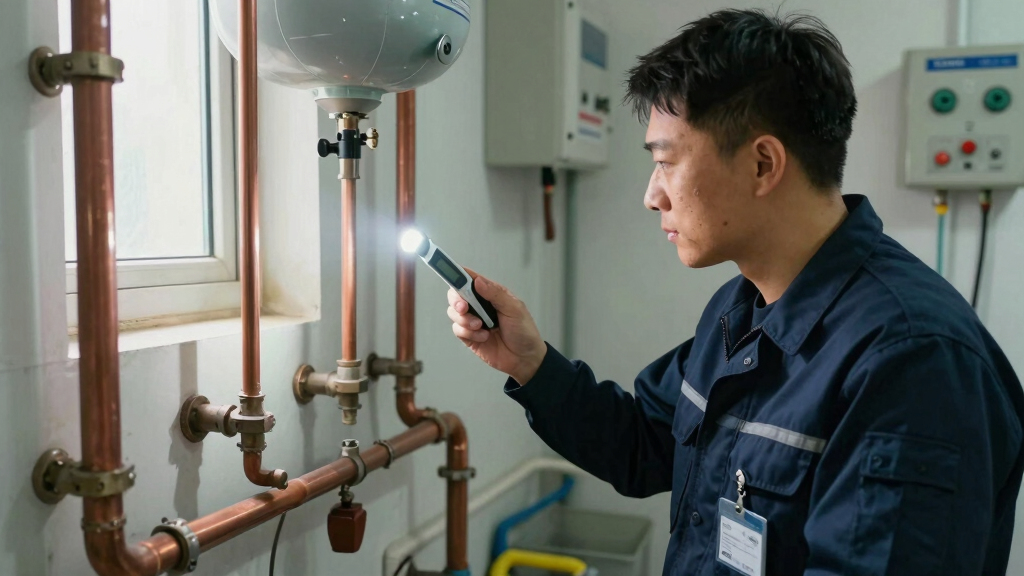
According to the NYC health department, at least 10 cases of Legionnaires’ disease have been confirmed on the Upper East Side since early March. The department states that these cases are linked through epidemiological investigations, but the exact source of the outbreak remains unidentified. The department has issued health advisories urging residents to be aware of symptoms such as cough, fever, and shortness of breath, and to seek medical attention if symptoms develop. Local officials have increased testing and are inspecting water systems in suspected buildings, including cooling towers and plumbing systems, which are common sources of Legionella bacteria. No fatalities have been reported so far, but several patients have been hospitalized. The department emphasizes that Legionnaires’ disease is not contagious person-to-person but is contracted through inhalation of contaminated water aerosols.Why the Growing Legionnaires’ Cluster on the Upper East Side Matters
This outbreak underscores ongoing challenges in managing Legionella risks in urban environments. The increasing number of cases raises concerns about water system safety and the effectiveness of existing regulations. For residents, it highlights the importance of awareness and prompt medical attention for respiratory symptoms. Public health officials stress that early detection and intervention are critical to preventing severe outcomes and further spread. The situation also draws attention to the need for ongoing infrastructure maintenance and monitoring of water systems in densely populated areas.
water system disinfectant for buildings
As an affiliate, we earn on qualifying purchases.
As an affiliate, we earn on qualifying purchases.
Previous Legionnaires’ Outbreaks in New York City and Urban Water Safety
Legionnaires’ disease has periodically affected New York City, often linked to cooling towers and building water systems. Notably, a large outbreak in 2015 resulted in over 100 cases and several deaths. Authorities have since increased regulations requiring regular testing and maintenance of water systems. Despite these measures, outbreaks continue to occur, especially during warmer months when water systems are more prone to bacterial growth. The current cluster on the Upper East Side is part of this ongoing pattern, with investigations focusing on environmental inspections and water sampling.
“We are actively investigating the source of this outbreak and are working with building owners to ensure water systems are properly maintained.”
— NYC Department of Health spokesperson
As an affiliate, we earn on qualifying purchases.
Unconfirmed Source of the Outbreak and Extent of Spread
It is not yet clear which specific water systems are responsible for the Legionella bacteria or whether the outbreak is confined to certain buildings. The full extent of the cases and whether additional cases are linked remains under investigation. Authorities have not yet identified a definitive source, and environmental testing results are pending.
As an affiliate, we earn on qualifying purchases.
Next Steps in Investigation and Public Health Response
Health officials will continue environmental testing of suspected water systems, including cooling towers and plumbing in nearby buildings. They plan to update the public as new information emerges and may issue additional advisories or mandates for water system maintenance. Residents are advised to remain alert for symptoms and consult healthcare providers if needed. The investigation is expected to take several weeks, with ongoing monitoring for new cases.
air purifiers for respiratory health
As an affiliate, we earn on qualifying purchases.
As an affiliate, we earn on qualifying purchases.
Key Questions
What is Legionnaires’ disease?
Legionnaires’ disease is a severe form of pneumonia caused by inhaling aerosolized water containing Legionella bacteria. It is not contagious person-to-person but can be serious, especially for vulnerable populations.
How can I protect myself from Legionnaires’ disease?
Residents should be aware of symptoms such as cough, fever, and shortness of breath. Avoid inhaling water aerosols from potentially contaminated sources, and ensure building water systems are properly maintained. Seek medical attention if symptoms develop.
Are there any fatalities from this outbreak?
No fatalities have been reported so far. Several patients have been hospitalized, but the health department reports no deaths linked to this cluster.
What is the city doing to address the outbreak?
Authorities are conducting environmental inspections, testing water systems, and working with building owners to eliminate potential sources. They are also issuing health advisories to inform residents.
Is this outbreak linked to previous cases in NYC?
The current cluster is being investigated to determine if it is related to past outbreaks, but no direct link has been confirmed yet. The city has a history of managing Legionnaires’ outbreaks through regulation and inspection.
Source: google-trends
Halloween Picks
halloween
As an affiliate, we earn on qualifying purchases.