
TL;DR

Get kitchen staples and gadgets delivered free with Prime
- Fast, free delivery on millions of items
- Prime Video, Amazon Music and more included
- Member-only deals all year
City health officials are investigating a potential outbreak of Legionnaires’ disease in the Upper East Side. Several cases have been reported, prompting an active investigation to identify the source and prevent further cases.
New York City health officials are investigating reports of multiple cases of Legionnaires’ disease in the Upper East Side, marking a potential outbreak that could affect public health. The investigation was launched after several residents reported symptoms consistent with the bacterial infection, and officials are working to identify the source and prevent further cases.
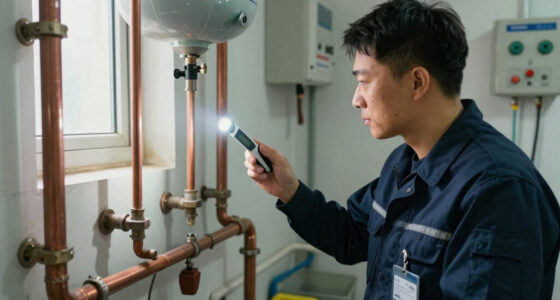
According to the NYC Department of Health, at least five cases of Legionnaires’ disease have been confirmed in residents of the Upper East Side over the past two weeks. The department has not yet identified a definitive source, but preliminary inspections focus on cooling towers, plumbing systems, and water sources in the area. The city has issued advisories to local residents and businesses, urging them to be vigilant for symptoms such as cough, fever, and muscle aches. No deaths have been reported, but health officials emphasize the importance of early detection and treatment.City officials stated that investigations are ongoing, with samples collected from suspected sources for laboratory analysis. The department is coordinating with environmental health teams to inspect water systems and ensure compliance with safety standards. The cases are geographically concentrated within a few blocks of the Upper East Side, prompting concern about localized contamination.Public health experts note that Legionnaires’ disease is caused by inhaling aerosolized water contaminated with Legionella bacteria, often linked to cooling towers, fountains, or plumbing systems. The bacteria thrive in warm water and can spread through mist or vapor, making water management in buildings a critical factor in prevention.Why This Outbreak Could Impact Public Health in Manhattan
This potential outbreak underscores the importance of water system maintenance and regulation in preventing Legionnaires’ disease. If the source is confirmed, it could lead to stricter oversight of cooling towers and water infrastructure in the city. The situation also highlights the need for residents and businesses to stay informed about water safety and symptoms of infection, especially during warmer months when bacteria proliferation is more likely.
water testing kit for Legionella bacteria
As an affiliate, we earn on qualifying purchases.
As an affiliate, we earn on qualifying purchases.
Recent History of Legionnaires’ Disease Cases in New York City
Legionnaires’ disease has periodically affected New York City, with notable outbreaks in recent years linked to cooling towers and water systems. The city has implemented stricter regulations following past incidents, but sporadic cases continue to occur. The current investigation follows a pattern of increased vigilance during the warmer months when Legionella bacteria are most active. Historically, outbreaks have prompted health advisories and inspections, but complete prevention remains challenging due to the complexity of urban water systems.
“We are actively investigating these cases and inspecting water systems across the neighborhood. Our priority is to identify and eliminate any sources of Legionella bacteria.”
— NYC Department of Health spokesperson
cooling tower water treatment system
As an affiliate, we earn on qualifying purchases.
As an affiliate, we earn on qualifying purchases.
Unconfirmed Source and Scope of the Potential Outbreak
It is not yet clear what specific water source or infrastructure is responsible for the suspected cases. Investigators are still collecting samples and conducting inspections, and no definitive link has been established. The total number of cases could rise as testing continues, and it remains unknown whether additional cases are linked or isolated.
water system disinfectant for buildings
As an affiliate, we earn on qualifying purchases.
As an affiliate, we earn on qualifying purchases.
Next Steps in Confirming and Containing the Outbreak
City officials will continue collecting water samples for laboratory analysis and conduct inspections of cooling towers, plumbing, and other water systems in the affected area. An update on findings is expected within the next week. Meanwhile, residents are advised to be alert for symptoms and report any health concerns to local clinics or health authorities. The city may also issue further advisories or mandates based on the investigation’s results.
As an affiliate, we earn on qualifying purchases.
Key Questions
What are the symptoms of Legionnaires’ disease?
Symptoms include cough, fever, muscle aches, shortness of breath, and sometimes chest pain. Early diagnosis and treatment with antibiotics are essential for recovery.
How is Legionnaires’ disease transmitted?
The disease is contracted by inhaling aerosolized water contaminated with Legionella bacteria, often from cooling towers, fountains, or plumbing systems.
Are residents at risk if they live in the affected area?
While the risk is higher for those in close proximity to contaminated water sources, anyone can be infected if exposed to aerosolized contaminated water. Precautions include avoiding spraying water from cooling towers and reporting symptoms early.
What measures are the city taking to prevent further cases?
The city is inspecting and testing water systems, enforcing safety regulations on cooling towers, and issuing advisories to residents and businesses. Further actions depend on investigation results.
Is there a risk of a larger outbreak?
It is still too early to determine if the outbreak will expand. Authorities are actively monitoring the situation and taking preventive measures.
Source: google-trends
NFL season / tailgating Picks
team gear
As an affiliate, we earn on qualifying purchases.