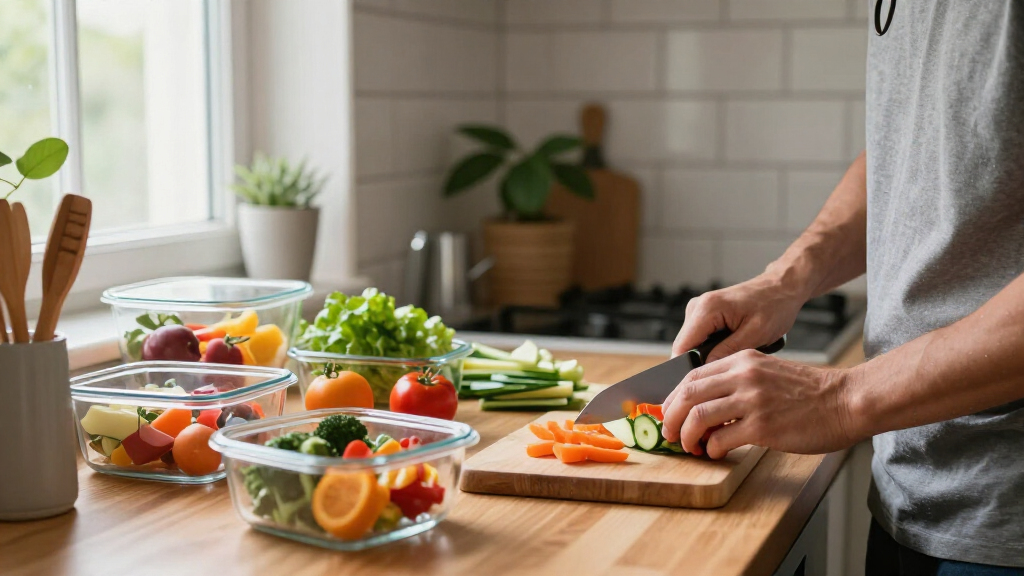
Finding the right healthy lunch prep tools comes down to one question: do you want to build your system around one do-everything container or assemble a kit of specialized pieces? After comparing six popular options, my top pick is the Resora 40oz Stainless Steel Bento Lunch Box — its large capacity and durable build make it the anchor of a weekly prep routine. The Efficient Nutrition Portion Control Containers stand out for anyone focused on weight management, while the Glass Meal Prep Containers offer the best value for batch cooking since they move from fridge to oven to table. The main tradeoffs in this category are between glass and steel, single containers versus multi-piece systems, and convenience features versus price. Keep reading for the full breakdown of which tool fits which lunch-prep style.

Get kitchen staples and gadgets delivered free with Prime
- Fast, free delivery on millions of items
- Prime Video, Amazon Music and more included
- Member-only deals all year
Key Takeaways
- The Resora bento box earned best overall because its 40oz capacity and stainless steel body outperform the glass containers for portability, though it costs more and lacks compartments for sauce separation.
- The Qukaka dressing containers and Bentgo Easyboxes are cheap add-ons that solve the two biggest failure points of meal prep — soggy salads and bland, unmixed portions — better than any single all-in-one container can.
- The grape cutter is the only pick aimed at speed rather than storage; it makes sense almost exclusively for families with young kids, while everyone else can skip it without regret.
- Glass containers won on value because they handle oven reheating and resist staining, but they lost points for weight and breakability compared with both the Resora steel box and the Bentgo plastic trays.
- A complete healthy lunch system costs less when assembled piece by piece: pairing the glass 4-pack with the Qukaka dressing cups beats buying a premium all-in-one kit on both price and flexibility.
| Resora 40oz Stainless Steel Bento Lunch Box for Adults |  | Best Overall | Capacity: 40 oz (1200 ml) | Material: 304 (18/8) stainless steel | Includes: Silicone container, two stainless steel snack containers, dividers | VIEW LATEST PRICE | See Our Full Breakdown |
| VALLEYHIKE Grape Cutter with Removable Blade |  | Best for Kid-Friendly Snack Prep | Blade Material: 18/8 stainless steel, serrated | Design: Removable blade for easy cleaning | Safety Features: Bottom screw nut secures blades | VIEW LATEST PRICE | See Our Full Breakdown |
| Efficient Nutrition Portion Control Containers Deluxe Kit (14-Piece) with Guide, Planner, and Recipe eBook |  | Best for Weight Loss Beginners | Number of Pieces: 14 containers | Material: BPA-free plastic | Color-Coded: Yes | VIEW LATEST PRICE | See Our Full Breakdown |
| Glass Meal Prep Containers 2 and 3 Compartments, Leak-Proof, 32 oz, 4 Pack |  | Best for Batch Meal Prep | Capacity: 32 oz each | Number of Containers: 4 | Compartments: 2 and 3 compartment options | VIEW LATEST PRICE | See Our Full Breakdown |
| Qukaka 6-Pack 1.6 oz Salad Dressing Containers with Lids |  | Best Value Add-On | Quantity: 6 containers | Capacity: 1.6 oz each | Material: 304 stainless steel, food-grade silicone lids | VIEW LATEST PRICE | See Our Full Breakdown |
| Bentgo Easyboxes 4-Compartment Snack Containers – 8-Piece Set with 4 Trays & 4 Lids |  | Best for Kids’ Lunches | Number of Containers: 4 | Number of Lids: 4 | Compartments per Tray: 4 | VIEW LATEST PRICE | See Our Full Breakdown |
| healthy lunch prep tool | Material | Dishwasher Safe | Capacity | Best Use |
|---|---|---|---|---|
| Resora 40oz Stainless Steel Be | 304 (18/8) stainless steel | No | 40 oz (1200 ml) | Work lunches, travel, meal prep |
| VALLEYHIKE Grape Cutter with R | — | Yes | — | — |
| Efficient Nutrition Portion Co | BPA-free plastic | — | — | Portion-controlled dieting and meal planning |
| Glass Meal Prep Containers 2 a | Borosilicate glass | Yes (lids top rack or hand wash) | 32 oz each | — |
| Qukaka 6-Pack 1.6 oz Salad Dre | 304 stainless steel, food-grade silicone lids | Yes | 1.6 oz each | — |
| Bentgo Easyboxes 4-Compartment | BPA-free plastic | Yes | — | Kids’ snacks and small lunch portions |
More Details on Our Top Picks
Resora 40oz Stainless Steel Bento Lunch Box for Adults
This pick earns the top spot because it solves the central problem of healthy lunch prep: keeping big, real meals organized and safe in one system. The 40 oz main body handles a full salad or grain bowl, while the adjustable dividers and two stainless snack cups let me separate components without juggling multiple containers. Compared with the Glass Meal Prep Containers, the Resora trades reheat-everywhere convenience for a single steel box that travels well and won’t shatter in a commute bag — only the silicone insert goes in the microwave. The tradeoff is real maintenance: hand washing only, and the lid needs deliberate pressure to seal properly. Unlike the Bentgo Easyboxes, which are snack-focused, this is built for adults eating substantial portions.
Pros:- Large 40 oz capacity fits substantial meals plus snacks
- Adjustable dividers and included snack cups offer flexible organization
- Rust-resistant 18/8 stainless steel survives daily commutes and travel
- Microwave-safe silicone insert covers reheating needs despite the steel body
Cons:- Not dishwasher safe — full hand washing after every use
- Lid must be seated carefully to maintain a secure seal
Best for: Working adults who pack one large, varied lunch and want everything in a single durable box
Not ideal for: Anyone who wants zero-fuss cleanup — there’s no dishwasher option, and the seal demands attention every time
- Capacity:40 oz (1200 ml)
- Material:304 (18/8) stainless steel
- Includes:Silicone container, two stainless steel snack containers, dividers
- Dishwasher Safe:No
- Microwave Safe:Yes (silicone container only)
- Best Use:Work lunches, travel, meal prep
Our verdict“Buy this if you want one rugged, high-capacity lunch system for serious adult portions and don’t mind hand washing.”
VALLEYHIKE Grape Cutter with Removable Blade
This tool earns its place by doing one small job exceptionally well: safely halving grapes, cherry tomatoes, and olives — the exact foods that pose choking hazards for toddlers. Where the Bentgo Easyboxes store those snacks afterward, the VALLEYHIKE is the step before, cutting prep time for fruit-heavy lunchboxes from tedious to quick. The wide opening and serrated stainless blades deliver clean cuts without crushing, and the removable blade plus dishwasher-safe build makes cleanup painless — a genuine advantage over the hand-wash-only Resora bento. Its scope is narrow by design; it won’t dice an onion or slice an apple, and very firm items demand more pressure than expected. But as a specialist tool for parents, that narrowness is the point.
Pros:- Cuts choking-hazard foods like grapes and cherry tomatoes quickly and safely
- Removable blade and dishwasher-safe parts make cleanup simple
- Bottom screw nut prevents blades from detaching into food
- Serrated stainless steel blades cut cleanly without crushing soft fruit
Cons:- Limited strictly to small fruits, olives, and snack-sized items
- Very firm produce requires noticeable force to cut
Best for: Parents packing daily lunches for young kids who need grapes and cherry tomatoes quartered or halved fast
Not ideal for: General meal preppers — it can’t handle larger produce, so it’s a supplement, not a core prep tool
- Blade Material:18/8 stainless steel, serrated
- Design:Removable blade for easy cleaning
- Safety Features:Bottom screw nut secures blades
- Dishwasher Safe:Yes
- Suitable For:Grapes, cherry tomatoes, olives, small sausages
- Opening:Wide opening for varied small fruits
Our verdict“Get this if small children in the house mean you halve grapes daily; skip it if your prep involves full-size produce.”
Efficient Nutrition Portion Control Containers Deluxe Kit (14-Piece) with Guide, Planner, and Recipe eBook
What separates this kit from every container set here isn’t the plastic — it’s the system wrapped around it. The color-coded containers act as a visual shorthand so a beginner never weighs food or counts calories; a green box is vegetables, done. Add the guide, 21-day planner, and recipe eBook, and this becomes a diet program rather than storage. The Glass Meal Prep Containers are nicer vessels, but they teach you nothing about portions. The tradeoff: portion sizes run deliberately restrictive, which is the mechanism, not a flaw — yet it frustrates people used to hearty meals. Results also hinge on actually following the plan, so buyers wanting casual flexibility should look at the Resora bento instead.
Pros:- Color-coded containers remove all guesswork from portion control
- Guide, 21-day planner, and recipe eBook provide a complete starting program
- Stackable, durable design works for home, work, and travel
- 14 pieces cover a full week of varied meal types
Cons:- Requires adherence to the specific food plan for real results
- Portion sizes are restrictive for larger appetites
- BPA-free plastic is less durable than glass or steel long term
Best for: Diet beginners who want a structured, color-coded system with meal plans instead of guessing at portions
Not ideal for: Big-appetite eaters or anyone resistant to a prescribed food plan — the fixed portions will feel punishing
- Number of Pieces:14 containers
- Material:BPA-free plastic
- Color-Coded:Yes
- Includes:Guide, 21-day meal planner, recipe eBook
- Storage:Stackable
- Best Use:Portion-controlled dieting and meal planning
Our verdict“This is the right buy if you’re starting a weight-loss journey and want structure, not just containers.”
Glass Meal Prep Containers 2 and 3 Compartments, Leak-Proof, 32 oz, 4 Pack
This set makes the most sense for the Sunday-batch cook who preps four lunches at once and reheats them at work. The borosilicate glass goes from oven to 450°F (lids off) to microwave to dishwasher, something no other pick here can do — the Resora bento can’t go in the dishwasher or oven at all. The mix of 2- and 3-compartment trays mirrors what the Efficient Nutrition kit achieves with color coding, but with far more durable, stain-proof glass. Tradeoffs exist: glass means weight and breakage risk in a commute bag, compartments aren’t sealed from each other so saucy items migrate, and it’s explicitly not for kids 12 and under.
Pros:- Oven safe to 450°F, plus microwave and dishwasher safe, for true cook-store-reheat workflow
- Borosilicate glass resists stains and odors better than plastic alternatives
- Mix of 2- and 3-compartment trays supports varied meal structures
- Leak-proof airtight lids with removable silicone rings that actually get clean
Cons:- Compartments aren’t sealed from one another, so sauces leak between sections
- Heavy and breakable compared with steel or plastic options
- Lids must come off for oven use and aren’t rated the same way as the glass
Best for: Batch cookers who cook once, portion four meals, and reheat in the same container all week
Not ideal for: Commuters hauling lunch in a backpack — glass is heavy and a dropped container is a lost container
- Capacity:32 oz each
- Number of Containers:4
- Compartments:2 and 3 compartment options
- Material:Borosilicate glass
- Dimensions:8 x 6.5 x 2.7 inches
- Oven Safe:Up to 450°F (lid off)
- Dishwasher Safe:Yes (lids top rack or hand wash)
- Age Restriction:Not suitable for children 12 and under
Our verdict“Choose this set if you reheat meals daily and want durable, oven-safe containers; skip it if you need a lightweight commuter box.”
Qukaka 6-Pack 1.6 oz Salad Dressing Containers with Lids
This is the cheapest upgrade with the biggest daily payoff: dressing on demand instead of soggy lunchtime salads. The six 1.6 oz steel cups are leak-proof and dishwasher safe, fixing the cleanup complaint that plagues the Resora bento, and the color-coded silicone lids make grab-and-go identification instant — a smaller echo of the color logic in the Efficient Nutrition kit. Compared with stashing dressing in a compartment of the Glass Meal Prep Containers, which don’t seal between sections, these actually travel without incident. The catches: 1.6 oz is tight for creamy dressings or hearty dips, so plan on packing multiples, and the silicone lids will eventually wear and need replacing.
Pros:- Leak-proof seals keep dressings and sauces contained in a full lunch bag
- Dishwasher and freezer safe for effortless cleaning and advance prep
- Six-pack with color-coded lids covers a whole work week
- Durable stainless steel bodies won’t stain or hold odors
Cons:- 1.6 oz capacity often means packing two cups for one meal
- Silicone lids degrade with repeated use and washing
Best for: Salad packers and bento users who want a low-cost set of leak-proof condiment cups to round out their kit
Not ideal for: Anyone hoping one cup holds a full serving of ranch or hummus — the capacity is genuinely snack-sized
- Quantity:6 containers
- Capacity:1.6 oz each
- Material:304 stainless steel, food-grade silicone lids
- Leak-Proof:Yes
- Dishwasher Safe:Yes
- Freezer Safe:Yes
- Uses:Dressings, sauces, condiments, small snacks
Our verdict“At this price, these are an easy yes for anyone already packing salads or saucy meals — just don’t expect single-cup servings.”
Bentgo Easyboxes 4-Compartment Snack Containers – 8-Piece Set with 4 Trays & 4 Lids
This set earns its spot as the kid-friendly pick in a lineup that otherwise leans toward adult meal prep. Where the Resora 40oz Bento Lunch Box targets adults with hearty portions and the Glass Meal Prep Containers prioritize freezer-to-oven versatility, Bentgo Easyboxes focuses on variety and portion control in a format small hands can manage. The four compartments make it simple to pack a balanced snack lunch without juggling five separate containers, and the custom-fit lids cut down on the crushed-crackers problem loose baggies create.
The tradeoffs are real, though. Capacity is limited to snack and small-portion sizes, so adults packing a full meal should look at the Efficient Nutrition Portion Control Kit instead. Plastic construction also means these aren’t ideal for keeping hot foods warm through a long school day, and some younger kids will struggle with the lids despite their easy-open design claims.
Pros:- Four compartments encourage variety and balanced portions in one container
- BPA-free, durable plastic holds up to repeated dishwasher cycles
- Microwave, freezer, and dishwasher safe for flexible prep and cleanup
- Custom-fit lids keep foods separated and fresh during transport
Cons:- Lids can still be tricky for some younger children to open independently
- Compartment sizes cap out at snack portions, limiting full-meal use
- Not well suited to keeping hot foods warm over extended periods
Best for: Parents packing school lunches and snacks for kids who want built-in portion control without buying separate containers for every food
Not ideal for: Adults packing full-size meals — the compartments are sized for snacks and small portions, not entrees
- Number of Containers:4
- Number of Lids:4
- Compartments per Tray:4
- Material:BPA-free plastic
- Dishwasher Safe:Yes
- Microwave Safe:Yes
- Freezer Safe:Yes
- Best Use:Kids’ snacks and small lunch portions
Our verdict“Buy this set if you’re packing kid lunches or snack boxes and want grab-and-go portions; skip it if you need adult-sized meal capacity.”
How We Picked
I evaluated each tool through the lens of a real weekly lunch-prep routine: how well it stores, travels, and reheats food, and how likely it is to survive months of daily use. Storage criteria included leak resistance, portion sizing, and whether compartments actually keep foods separate. Travel criteria covered weight, durability, and lid security — a container that spills in a commute bag fails regardless of how well it performs in the fridge. For reheating, I prioritized whether each product is oven-safe, microwave-safe, or neither, since that single factor changes how you plan meals for the week.
Beyond performance, I weighed cleaning effort, price per piece, and versatility. Multi-piece sets scored higher when every component earned its place; single-purpose gadgets had to justify themselves against a knife and cutting board. The ranking reflects a building-block philosophy: the best overall pick anchors the system, value picks cover the fundamentals, and small accessories round it out. Products that only serve one narrow scenario were ranked accordingly rather than treated as universal must-haves.
| healthy lunch prep tool | Dishwasher Safe | Best Use |
|---|---|---|
| Resora 40oz Stainless Steel Be | No | Work lunches, travel, meal prep |
| VALLEYHIKE Grape Cutter with R | Yes | — |
| Efficient Nutrition Portion Co | — | Portion-controlled dieting and meal planning |
| Glass Meal Prep Containers 2 a | Yes (lids top rack or hand wash) | — |
| Qukaka 6-Pack 1.6 oz Salad Dre | Yes | — |
| Bentgo Easyboxes 4-Compartment | Yes | Kids’ snacks and small lunch portions |
Factors to Consider When Choosing Healthy Lunch Prep Tools
Choosing healthy lunch prep tools is less about finding one perfect product and more about matching the tools to how you actually eat. These are the factors that shaped my rankings — and the ones most buyers underestimate.Container Material: Glass, Steel, or Plastic
Material determines almost everything else about your prep routine. Glass reheats beautifully in the oven, never stains from tomato sauce or turmeric, and lasts for years — but it is heavy and unforgiving if dropped, which makes it a poor commute companion. Stainless steel is nearly indestructible and light for its size, yet it can never go in a microwave, so you will be transferring food to a plate at work. Plastic is the cheapest and lightest option and usually microwave-safe, but it stains, absorbs odors, and needs replacing every couple of years. A common mistake is choosing one material for every situation; many preppers end up with glass for fridge storage and a steel or plastic carrier for transport. Think about where your food spends the most time before committing to a full set of anything.
Portion Control: Guides Versus Guesswork
If weight management or macros are part of your goal, color-coded portion containers remove the guesswork from every meal, and that structure is worth paying for in the first month alone. The catch is that portion kits are a training tool, not a storage solution — their lids are rarely leak-proof and the containers are too small for a full adult lunch. Buyers who expect one kit to do both jobs end up disappointed. A smarter approach is using portion containers to learn serving sizes, then graduating to larger storage containers once eyeballing portions becomes habit. If you already eat balanced meals, skip this category entirely and put the budget toward better storage.
Leak Resistance and Food Separation
Leak failures ruin more prepped lunches than any other single problem, and marketing claims are unreliable here. A container with a gasket-sealed lid handles soups and dressings; a snap lid without a gasket handles dry food only. This is why separate dressing cups earn a spot in so many well-built systems — they let a basic salad container perform like a premium one. When evaluating compartment containers, check whether the divider walls reach the lid, because sauce migrates across low walls no matter what the product photos suggest. My advice: test any new container with water over the sink before trusting it in a bag with a laptop.
Batch Cooking Versus Daily Assembly
How you prep should dictate what you buy, and mismatched tools are the most common waste in this category. Batch cookers — people who cook Sunday for the whole week — need multiple identical, stackable, oven-safe containers, which makes multi-packs of glass the obvious choice. Daily assemblers who throw together lunch each morning benefit more from a single divided bento and quick-access snack trays. Buying a 14-piece portion kit when you batch cook, or a stack of glass when you assemble on the fly, leaves half your purchase unused. Be honest about your Sunday energy levels before the checkout page makes the decision for you.
Dishwasher Placement and Cleaning Friction
Cleaning friction is the silent killer of meal prep habits. A container that must be hand-washed gets used less each week until it lives in the back of a cabinet. Before buying, check three things: is it dishwasher-safe on both top and bottom racks, do lids have crevices that trap food, and do blades or small parts disassemble for cleaning? Small accessories like dressing cups and specialty cutters are the worst offenders — if they cannot go straight into the dishwasher, the seconds they save on prep get lost on cleanup. Tools that clean in one pass keep the routine sustainable, which matters more than any single feature.
When to Pay More (and When Not To)
Premium pricing makes sense in exactly two cases: when a container will be carried daily and needs to survive drops, and when a warranty actually replaces broken lids or latches years in. A well-built stainless steel box can justify its price over a decade of use. Beyond that, most accessories in this category are commodities — a dressing cup is a dressing cup, and paying triple for a branded one buys nothing functional. The smartest budgets allocate roughly half the spend to the main carrier and split the rest across a multi-pack of storage containers and small accessories. Resist bundle kits that pad the count with pieces you will never use.
Frequently Asked Questions
Is stainless steel or glass better for meal prep?
It depends on where your food spends its time. Glass wins for fridge storage and reheating because it is oven-safe, stain-proof, and never affects flavor, making it the default for batch cooking. Stainless steel wins for portability — it is lighter, survives drops, and will never shatter in a commuter bag — but it cannot go in a microwave, which is a real limitation if your workplace lacks a plate and a stovetop. Many people end up using both: glass for the weekly fridge lineup and steel for the daily carry. If you can only choose one, pick based on whether transport or reheating is the bigger part of your routine.
Do I really need separate dressing containers if my lunch box has compartments?
Yes, if you eat salads or anything with sauce, because compartment walls do not stop liquids from migrating, especially in a bag that gets tilted or jostled. Dressing kept separate until mealtime keeps greens crisp for a full day, which is the difference between a lunch you look forward to and one you tolerate. Dedicated dressing cups also solve the portion problem — 1.6oz is a sensible serving, while free-pouring from a bottle routinely doubles the calories in an otherwise healthy salad. Compared with buying a premium leak-proof bento, adding a set of small dressing containers is the cheaper fix for the same problem. If your lunches are strictly dry foods, you can skip them.
Are portion control containers worth buying if I’m not on a diet?
Probably not, and this is where a lot of money gets wasted. Portion kits are designed to teach serving sizes through color-coding, and if you already have an intuitive sense of a balanced plate, the containers end up as extra dishes to wash. They are genuinely valuable in two situations: when you are new to tracking intake and want structure without counting calories, or when you are following a specific program that assigns container sizes to food groups. The containers themselves are usually small and not designed for long-term storage, so think of them as training wheels rather than kitchen staples. Many people use them for two or three months and then switch entirely to regular meal prep containers.
How many meal prep containers do I actually need?
A good starting formula is one container per prepped meal per week, plus two spares for leftovers or a missed wash cycle. For a five-day workweek, that means six to eight containers — which is why multi-packs of four or more consistently beat single purchases on value. Where people go wrong is over-buying specialty shapes they rarely use; a cabinet full of divided trays but no plain large containers makes batch cooking awkward. If you prep for a household, multiply the count but stick to one stackable style, because mismatched containers waste half your fridge space. Buy one set, live with it for two weeks, then expand only if you are genuinely short on containers.
Can kids’ snack containers work for adult meal prep too?
Often, yes — and they can be a budget shortcut worth knowing about. Multi-compartment snack trays designed for children’s lunches typically cost less per piece than adult-labeled bento boxes, and the four-compartment format works just as well for an adult’s protein, crackers, fruit, and nuts. The tradeoffs are size and image: portions run smaller, so a hearty appetite will need a second container, and some designs are visibly kid-oriented. Check the lid style carefully, since many kid snack trays use loose-fit lids meant for horizontal storage in a lunch bag, not leak-proof transport. For desk-drawer snacks or car meals, though, they perform nearly as well as purpose-built adult gear at a lower price.
Conclusion
The right choice here depends less on which product is objectively best and more on how you prep. For the best overall, the Resora 40oz Stainless Steel Bento is the most durable daily carrier in the lineup and the one piece that can anchor an entire system. For best value, the Glass Meal Prep Container 4-pack delivers oven-safe, stain-resistant batch storage at the lowest cost per usable container. The Efficient Nutrition Portion Control Kit is the clear pick for beginners and anyone pursuing weight goals, because it teaches structure before you invest in storage. For specific needs: grab the Qukaka dressing cups if salads are your weekday staple, the Bentgo Easyboxes for snack-style or kid-friendly lunches, and the VALKYHIKE grape cutter only if you are cutting fruit for little ones daily. My honest advice for most readers: start with the glass 4-pack and the dressing cups, add the Resora once the habit sticks, and skip anything that does not match how you actually eat.
Halloween Picks
halloween
As an affiliate, we earn on qualifying purchases.