
TL;DR

Get kitchen staples and gadgets delivered free with Prime
- Fast, free delivery on millions of items
- Prime Video, Amazon Music and more included
- Member-only deals all year
Norway has become the world’s leading salmon exporter, boosting its economy significantly. However, this growth is now causing environmental problems, prompting calls for regulation and sustainable practices.
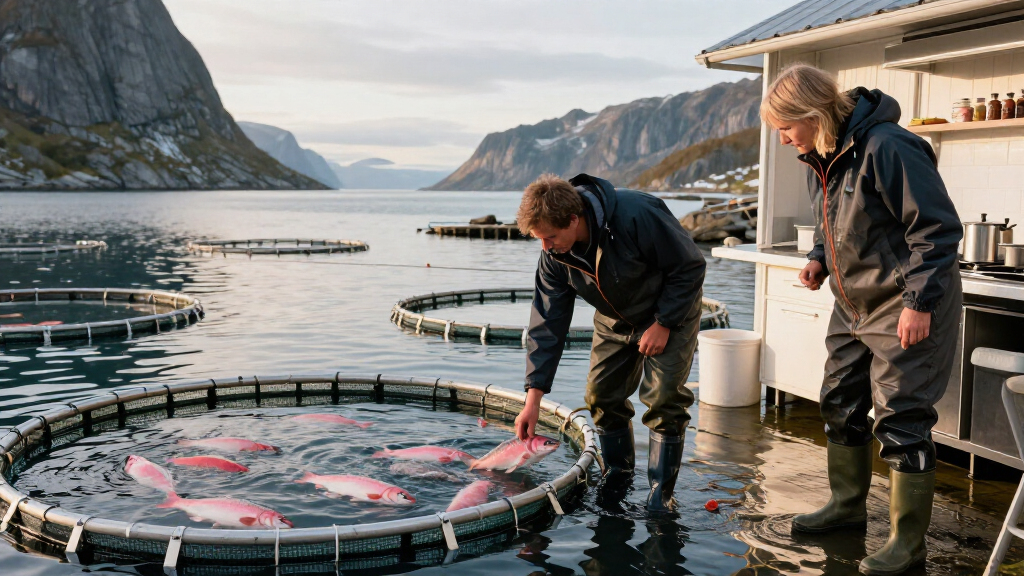
Norway, now the world’s largest exporter of farmed salmon, is facing mounting environmental and sustainability challenges as its industry expands rapidly. This development, confirmed by industry and environmental reports, raises concerns about ecological impacts and future regulatory measures.
Over the past decade, Norway has transformed into a global salmon powerhouse, accounting for over 50% of the world’s farmed salmon exports, according to the Norwegian Seafood Council. This growth has driven economic gains, creating thousands of jobs and boosting national revenue. However, recent studies and environmental groups warn that the scale of production has led to significant ecological issues, including water pollution, disease outbreaks, and impacts on wild salmon populations.
In 2023, authorities and industry leaders have acknowledged these concerns. The Norwegian government has announced plans to tighten regulations on fish farming practices, including stricter monitoring of sea lice and waste management. Critics argue that the current industry practices threaten marine biodiversity and could undermine the sustainability of Norway’s seafood exports long-term.
Environmental and Economic Impacts of Norway’s Salmon Industry
This development matters because Norway’s salmon industry is a cornerstone of its economy and a major supplier worldwide. The environmental issues threaten the industry’s sustainability and could lead to stricter regulations, affecting global supply chains. The case exemplifies the broader challenges of balancing economic growth with environmental stewardship in the aquaculture sector.
As an affiliate, we earn on qualifying purchases.
Rapid Growth of Norway’s Salmon Industry and Its Challenges
Norway’s salmon farming industry expanded rapidly since the early 2010s, driven by high global demand and technological advances. By 2022, Norway exported over 1.3 million tons of salmon, making it the world’s leading supplier. This boom has been supported by government policies favoring aquaculture, but it has also raised concerns about environmental sustainability. Previous incidents of disease outbreaks and sea lice infestations have highlighted vulnerabilities in current farming practices, prompting calls for reform.
“We recognize the environmental challenges associated with our industry and are committed to implementing stricter regulations to ensure sustainable growth.”
— Norwegian Fisheries Minister
As an affiliate, we earn on qualifying purchases.
Unclear Long-Term Impact of Industry Reforms
It remains uncertain how effective the new regulations will be in mitigating environmental damage and whether industry stakeholders will fully comply. Additionally, the long-term ecological effects of such intensive farming are still being studied, and the balance between economic benefits and environmental sustainability is not yet clear.
As an affiliate, we earn on qualifying purchases.
Next Steps in Regulation and Industry Adaptation
Norwegian authorities plan to enforce stricter environmental standards in 2024, including increased monitoring and possible restrictions on farm expansion. Industry players are expected to adopt more sustainable practices, but the pace and effectiveness of these changes remain to be seen. International markets and environmental groups will closely watch Norway’s implementation of reforms to assess their impact.
As an affiliate, we earn on qualifying purchases.
Key Questions
Why did Norway become a global salmon leader?
Norway’s favorable climate, advanced aquaculture technology, and supportive government policies facilitated rapid industry growth, making it the top exporter of farmed salmon worldwide.
What environmental issues are linked to Norway’s salmon industry?
Major concerns include water pollution, disease outbreaks like sea lice infestations, and impacts on wild salmon populations due to farm escapes and habitat disruption.
What measures are Norway implementing to address these challenges?
The government has announced plans for stricter regulations on waste management, disease control, and farm licensing, aiming to reduce ecological impacts and promote sustainability.
Will these reforms be enough to ensure long-term sustainability?
It is still uncertain whether the new regulations will fully mitigate environmental risks. Ongoing monitoring and industry adaptation will determine their long-term effectiveness.
How might this affect global salmon supply?
If environmental issues persist or regulations tighten significantly, it could impact Norway’s salmon exports, potentially leading to higher prices and supply adjustments worldwide.
Source: hn
Fall Picks
fall essentials
As an affiliate, we earn on qualifying purchases.