
TL;DR

Get kitchen staples and gadgets delivered free with Prime
- Fast, free delivery on millions of items
- Prime Video, Amazon Music and more included
- Member-only deals all year
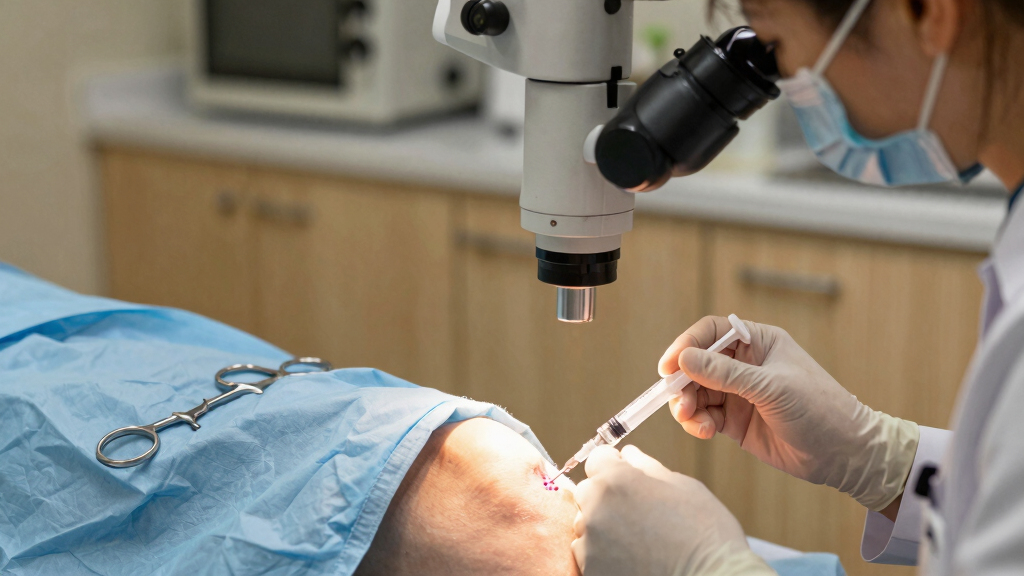
Genicular artery embolization is emerging as a new minimally invasive option for patients suffering from chronic knee pain. Early studies suggest it can reduce pain and improve mobility, providing an alternative to traditional surgery. Further research is needed to confirm long-term outcomes.
Genicular artery embolization has emerged as a potential minimally invasive treatment option for chronic knee pain, offering an alternative to traditional surgical procedures, according to recent reports from CU Anschutz Medical Campus.
This procedure involves blocking abnormal blood vessels around the knee that contribute to pain, using tiny particles delivered via catheter. Early clinical observations suggest that patients experience significant pain relief and improved mobility following the treatment. The technique, which is less invasive than surgery, is currently under investigation through initial studies and pilot programs. Experts emphasize that while preliminary results are promising, long-term data and larger clinical trials are still needed to establish efficacy and safety comprehensively.
Implications for Chronic Knee Pain Management
The development of genicular artery embolization as a treatment offers a new option for patients who have not responded to conservative therapies like physical therapy or medications. If validated through further research, it could reduce the need for more invasive surgeries, lower complication risks, and shorten recovery times. This could significantly impact healthcare practices and patient quality of life, especially for those with limited options.
As an affiliate, we earn on qualifying purchases.
Background on Minimally Invasive Knee Pain Treatments
Chronic knee pain, often caused by osteoarthritis or other degenerative conditions, traditionally relies on conservative measures or surgical interventions such as knee replacement. Recently, interventional radiology techniques like genicular artery embolization have been explored as alternative treatments. Initial studies in other regions have shown potential, but adoption remains limited pending further validation. The procedure involves selectively blocking blood vessels that contribute to inflammation and pain, aiming to reduce symptoms without the need for joint replacement.
“While promising, we need larger, controlled studies to determine the long-term effectiveness and safety of this technique before it becomes a standard option.”
— Dr. Robert Lee, orthopedic specialist
knee support brace for osteoarthritis
As an affiliate, we earn on qualifying purchases.
As an affiliate, we earn on qualifying purchases.
Unconfirmed Long-Term Effectiveness and Safety
It is not yet clear how durable the pain relief from genicular artery embolization will be over years or whether there are potential long-term risks. Ongoing studies are evaluating these aspects, but definitive data are not yet available.
As an affiliate, we earn on qualifying purchases.
Next Steps in Research and Clinical Adoption
Researchers plan to conduct larger, controlled clinical trials to assess the long-term outcomes and safety profile of genicular artery embolization. Meanwhile, some institutions are beginning to offer the procedure as part of experimental treatment programs, pending regulatory approval. Patients interested in this option should consult with specialists to understand the current evidence and potential risks.
As an affiliate, we earn on qualifying purchases.
Key Questions
What exactly is genicular artery embolization?
It is a minimally invasive procedure that involves blocking abnormal blood vessels around the knee to reduce pain caused by inflammation or degeneration.
Who is a candidate for this treatment?
Patients with chronic knee pain unresponsive to conservative therapies and who are not suitable candidates for surgery may consider this treatment, pending evaluation by a specialist.
Are there any risks associated with the procedure?
As with all medical procedures, risks include infection, bleeding, or unintended damage to surrounding tissues, but early reports suggest it is generally well tolerated. Long-term safety data are still being collected.
How soon might this become a standard treatment option?
It is currently in the early research and trial phase. Widespread adoption depends on the results of ongoing studies and regulatory approval, which could take several years.
Source: google-trends
Halloween Picks
halloween
As an affiliate, we earn on qualifying purchases.