
TL;DR

Get kitchen staples and gadgets delivered free with Prime
- Fast, free delivery on millions of items
- Prime Video, Amazon Music and more included
- Member-only deals all year
The plate-building trick involves arranging whatever ingredients you have into a balanced, visually appealing plate. It’s quick, reduces food waste, and makes healthy eating simple and satisfying, even with random leftovers.
Ever stare at a fridge full of odds and ends and wonder how to turn it into a real meal? The secret isn’t a fancy recipe. It’s about how you build your plate. This simple trick makes leftovers look like gourmet dinner and keeps your diet balanced without extra shopping or prep.
Think of it as a visual puzzle—placing ingredients thoughtfully transforms chaos into art. You’ll learn how to do it fast, with what you already have, and end up with a meal that’s satisfying, nutritious, and pretty enough to share.
The Plate-Building Trick That Turns Random Ingredients Into Dinner
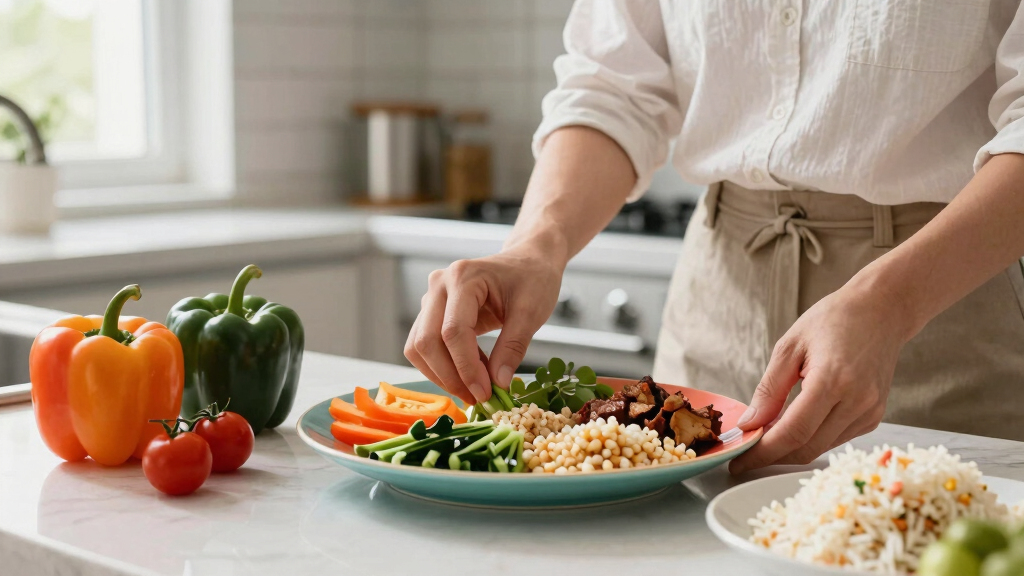
A balanced plate is a visual puzzle: protein, vegetables, carbs, and healthy fats arranged with enough contrast and space to make leftovers feel intentional, satisfying, and worth sitting down for.
Fast enough for weeknights, flexible enough for whatever is already in the fridge.
Protein, vegetable, carbohydrate, and healthy fat make the plate feel complete.
Odd portions become useful components instead of forgotten containers.
Visual balance changes how dinner feels before the first bite.
When ingredients are placed with care, the brain reads the plate as a composed meal instead of a pile of scraps. Color contrast, texture, visible portions, and clean spacing create freshness cues, make flavors feel more distinct, and support mindful eating.
Color Contrast
Green spinach, orange carrots, pale grains, and browned protein make the plate look varied and nourishing.
Texture Variety
Crisp vegetables, tender grains, creamy fat, and crunchy nuts keep leftovers from tasting flat.
Portion Clarity
Separate zones help you see whether protein, vegetables, carbs, and fats are actually represented.
Mindful Pace
A deliberate plate encourages savoring each component, which can improve satisfaction and reduce grazing later.
Use a simple five-step chain, then stop cooking.
The trick is not making a new recipe. It is giving each leftover a clear job on the plate.
Protein
Chicken, eggs, tofu, beans, fish, yogurt, or lentils anchor the meal.
Veg
Add one bright vegetable and one textural vegetable when possible.
Carb
Rice, pasta, bread, potatoes, noodles, or grains supply energy and satiety.
Fat
Olive oil, avocado, seeds, cheese, tahini, or nuts add richness and shine.
Space
Arrange components separately so color, texture, and portions stay visible.
A balanced leftover plate is equal parts nutrition and presentation.
The best dinner plate does not need equal weights of every food. It needs enough contrast, structure, and satisfaction to make the meal feel complete.
The 4-Part Plate Mix
Use this as a quick visual target when assembling from random containers.
Leftover Appeal Scale
Small presentation upgrades can move a meal from “random fridge food” to “intentional dinner.”
Use clean edges, a garnish, and a final drizzle to create freshness cues without adding much time.
Pick the plating style that matches your energy.
Stacking, layering, and artful arrangement all work. The difference is how much separation, visual drama, and ingredient visibility you want.
| Style | How It Works | Ingredient Visibility | Best For | Tradeoff |
|---|---|---|---|---|
| Stacking | Layer ingredients vertically, like a compact salad, toast, bowl, or open-faced sandwich. | ~Moderate | Fast meals when efficiency matters most. | Can hide textures and make portions harder to read. |
| Layering | Line ingredients in rows, sections, or bands so each component keeps its own identity. | ✓High | Colorful plates, meal prep, and portion control. | Needs a little more plate space and intention. |
| Artful Arrangement | Use fans, spirals, radial patterns, sauce arcs, or ingredient clusters to make dinner feel special. | ✓Very High | Slow evenings, guests, or moments when you want leftovers to feel luxurious. | Not necessary when speed is the real goal. |
| Unsorted Pile | Everything lands together with no contrast, clean edge, or visible structure. | ✗Low | Only when you truly do not care about presentation. | Often feels less fresh, less balanced, and less satisfying. |
Five tiny moves make leftovers look newly made.
These are quick finishing moves, not extra recipes. They add color, scent, contrast, and shine.
Use herbs or crisp veg.
Parsley, cilantro, cucumber, scallions, or radish add color and fresh aroma.
Choose contrast.
A clean light plate makes colorful vegetables pop; a dark plate makes grains and sauces glow.
Leave breathing room.
Visible edges make each ingredient easier to appreciate and portions easier to judge.
Add a glossy drizzle.
Olive oil, yogurt sauce, salsa, dressing, or tahini adds shine and connects the plate.
Heat or chill on purpose.
Warm grains and protein feel comforting; chilled raw vegetables keep the plate crisp.
Finish with crunch.
Nuts, seeds, toasted crumbs, or crispy chickpeas make soft leftovers more satisfying.
From random containers to real dinner.
The plate-building trick works because each choice connects to a practical outcome: less waste, better balance, more enjoyment, and fewer emergency takeout nights.
The trick is to build a plate, not chase a recipe.
TL;DR
Arrange whatever ingredients you have into a balanced, visually appealing plate. Include protein, vegetables, carbs, and healthy fat; keep components visible; finish with color, crunch, or sauce. It is quick, reduces waste, and makes healthy eating feel simple.
Quick Check
- One protein source is clearly visible.
- At least one colorful vegetable is on the plate.
- A grain, starch, or bread makes the meal filling.
- A small fat or sauce adds flavor and satisfaction.
- Ingredients have enough space to look intentional.
Key Takeaways
- Visual arrangement transforms leftovers into appetizing, balanced meals.
- Focus on including a protein, vegetables, carbs, and healthy fats for a complete plate.
- Use simple plating styles—stacking, layering, or artful arrangement—to boost appeal.
- Flexibility is key—adapt ingredients based on what you have to avoid waste and keep meals exciting.
- Quick assembly saves time and makes healthy eating easy, even with random ingredients.
As an affiliate, we earn on qualifying purchases.
Why visual balance makes your leftovers taste better
When you arrange food with care, your brain connects it to a well-thought-out meal. Bright colors, contrasting textures, and varied shapes make food more appealing. For example, pairing green broccoli with orange carrots and a handful of grilled chicken doesn’t just boost nutrition—it also stimulates your senses, making the meal more enticing. This deliberate visual arrangement can influence your perception of flavor and freshness, as studies suggest that an attractive presentation can enhance taste expectations.
Beyond aesthetics, a balanced plate supports digestion by helping you recognize portion sizes and encouraging mindful eating. When ingredients are thoughtfully placed, your brain perceives the meal as complete, which can lead to increased satisfaction and reduced overeating. This approach can also foster healthier habits by making meals more enjoyable and visually stimulating, thus encouraging you to focus on quality and variety rather than quantity or processed foods.
As an affiliate, we earn on qualifying purchases.
How to build a perfect plate from whatever’s in your fridge
- Start with a protein. Think leftover chicken, eggs, tofu, or beans. Choosing a protein foundation provides essential amino acids that support muscle repair and keep you full longer. It also influences the overall flavor profile of your meal, so selecting a familiar or well-seasoned option can make the dish more appealing.
- Add a colorful veggie or two—frozen spinach, roasted peppers, raw cucumber. Vegetables add essential vitamins, fiber, and antioxidants, which are crucial for digestion and immune health. Incorporating a variety of colors not only enhances visual appeal but also broadens the nutrient spectrum, supporting overall health and preventing deficiencies.
- Include a grain or carbohydrate—rice, bread, pasta, or even a sweet potato. Carbohydrates are your body’s primary energy source and help create a sense of satiety. Opting for whole grains or minimally processed carbs provides sustained energy and stabilizes blood sugar levels, which is vital for maintaining focus and preventing crashes that lead to snacking.
- Finish with a healthy fat—avocado slices, nuts, or a drizzle of olive oil. Healthy fats facilitate the absorption of fat-soluble vitamins and support brain function. They also add richness and satisfaction, making the meal more enjoyable and preventing it from feeling too lean or bland, which can lead to overeating later.
- Arrange each component separately on the plate, leaving space to see each ingredient’s color and texture. This separation isn’t just aesthetic—it encourages you to appreciate each ingredient’s unique qualities, which can enhance your awareness of what you’re eating. Recognizing the individual components helps you gauge if your meal is balanced and satisfying, and it promotes mindful eating habits that can improve digestion and satisfaction.
For example, a leftover grilled chicken breast sliced over roasted sweet potatoes, with sautéed spinach and a sprinkle of nuts, creates a meal that’s both nourishing and visually appealing. This deliberate placement highlights each ingredient’s qualities, making the meal more appetizing and encouraging you to savor every bite. Such mindful arrangement can lead to better digestion, increased satisfaction, and a greater appreciation for your food, ultimately fostering healthier eating patterns.
food waste reduction storage containers
As an affiliate, we earn on qualifying purchases.
As an affiliate, we earn on qualifying purchases.
Compare plating styles to elevate your leftovers
| Style | Description | Best For |
|---|---|---|
| Stacking | Layer ingredients vertically, like stacking a burger or a layered salad. This method saves space and creates a modern, compact look. While quick and efficient, stacking can sometimes obscure individual ingredients’ appeal, making it harder to appreciate each component’s texture and flavor. | Fast meals when presentation isn’t the main focus but efficiency is key. |
| Layering | Line ingredients in rows or sections, creating visual contrast and separation. This approach emphasizes individual components, making each flavor distinct and encouraging you to savor each bite. It also helps you control portions and see exactly what’s on your plate. | Showcasing variety and color, especially when you want to highlight specific ingredients or cuisines. |
| Artful Arrangement | Arrange ingredients in patterns—fans, spirals, or radial designs—that transform the plate into a visual masterpiece. This method elevates leftovers by creating a sense of occasion, stimulating anticipation and making the meal feel special. | Special occasions or when you want to impress yourself or others, as it enhances the dining experience and makes even simple ingredients feel luxurious. |
As an affiliate, we earn on qualifying purchases.
Tips for making leftovers look fresh and tempting
- Use bright, fresh vegetables or herbs as garnish. Fresh herbs like cilantro or parsley not only add a pop of color but also release appealing aromas that stimulate appetite. A sprinkle of herbs can transform the look and scent, making leftovers more inviting and encouraging you to eat mindfully.
- Serve food on a clean, contrasting plate. A well-chosen background enhances the visual impact of your meal. Contrasting colors between the plate and the food make each component stand out, which can psychologically boost your appetite and enjoyment. For example, a white plate with vibrant vegetables or a dark plate with light-colored grains creates a striking visual effect.
- Arrange ingredients with space—avoid overcrowding. Giving each component room to breathe not only makes the plate more attractive but also allows you to focus on each flavor and texture. This separation encourages mindful eating, helping you recognize when you’re satisfied and preventing overeating.
- Add a splash of sauce or dressing for shine and flavor. A light drizzle or a dollop can add visual appeal through a glistening surface and introduce new flavor dimensions. It can also mask less appealing textures or colors, making leftovers more tempting.
- Warm or cool ingredients as needed to enhance textures and smells. Proper temperature management can dramatically improve your eating experience. Warm dishes feel comforting and can bring out richer flavors, while chilled ingredients can provide crispness and refreshment, both increasing the likelihood that you’ll enjoy your leftovers.
How this trick helps your wallet and your health
Building meals this way encourages you to use what you already have, cutting down on grocery trips and food waste. It also allows you to maximize the nutritional value of each meal by combining different ingredients, supporting a balanced diet without extra effort. This approach reduces the temptation to buy pre-made or takeout foods, which are often less healthy and more expensive.
Furthermore, by focusing on visual harmony and balanced components, you naturally eat more mindfully, which can help prevent overeating and promote better digestion. This mindfulness not only improves health but also fosters a greater appreciation for your food, making each meal more satisfying. The tradeoff is that it requires a bit of practice to perfect your arrangement skills, but the payoff—delicious, nutritious meals that save money—is well worth the effort.
Quick assembly means less time in the kitchen and more time enjoying your food. This method supports a sustainable, budget-friendly approach to eating that aligns with healthier habits, reducing reliance on processed or takeout options and helping you develop a more mindful relationship with your food.
What if I’m missing some ingredients? No problem
This method is all about flexibility. If you don’t have a grain, maybe add a slice of bread or a handful of crackers. No protein? A spoonful of hummus or a boiled egg works well. Missing veggies? Use frozen or canned—just drain and heat. The key is to think creatively about substitution to maintain visual balance and nutritional completeness. Sometimes, the missing element can be replaced with a different ingredient that provides similar color or texture, ensuring the plate still looks appealing and remains satisfying. This flexibility not only prevents waste but also encourages experimentation, which can lead to discovering new flavor combinations and textures you enjoy. Embracing adaptability turns what might seem like limitations into opportunities for culinary creativity and personal taste exploration.
Quick tips to keep your plate-building fresh and fun
- Plan to keep versatile ingredients in your fridge and pantry—think eggs, frozen vegetables, canned beans. Having these staples on hand makes improvisation easier and faster, reducing stress when leftovers or random ingredients need quick assembly.
- Practice different arrangements—try stacking, lining up, or scattering ingredients. Over time, you’ll develop an intuitive sense of what looks appealing and how different combinations enhance flavor and presentation.
- Play with colors—add a squeeze of lemon, fresh herbs, or a drizzle of olive oil. These small touches can dramatically elevate both the visual appeal and the flavor of your dishes, making even simple leftovers feel special.
- Use leftovers as a chance to experiment with new flavor combos or textures. Mixing unexpected ingredients can lead to delightful discoveries and keep your meals exciting, preventing boredom and encouraging more mindful eating.
Frequently Asked Questions
How do I start building a plate from leftovers if I’m not sure what to include?
Begin with what you have—pick a protein, add some colorful vegetables, and include a grain or carbohydrate. Then, arrange them thoughtfully on the plate, balancing colors and textures.What if I don’t have enough ingredients for a full meal?
Use smaller portions or combine leftovers with pantry staples like canned beans, rice, or frozen vegetables. Focus on creating visual balance even with limited ingredients.Can I make this work for different cuisines?
Absolutely. Whether it’s a stir-fry, a salad, or a baked bowl, the same principles apply—balance, color, and thoughtful arrangement make any cuisine appealing.How do I make leftovers look more appetizing?
Add fresh herbs, a squeeze of lemon, or a drizzle of sauce. Use contrasting colors and textures, and serve on a clean, appealing plate for instant upgrade.Is this method suitable for meal prepping?
Yes. You can prepare components ahead and assemble them quickly when needed. It’s a flexible way to keep meals nutritious and interesting all week.Conclusion
Turning random ingredients into a dinner isn’t about complex recipes. It’s about building a plate with intention—color, balance, and a touch of creativity. This trick makes leftovers feel special and keeps your meals nourishing without extra fuss.
Next time your fridge looks chaotic, remember: your best dish is just a thoughtful arrangement away. Your plate, your rules, your delicious, waste-free dinner.
Halloween Picks
halloween
As an affiliate, we earn on qualifying purchases.