
TL;DR

Get kitchen staples and gadgets delivered free with Prime
- Fast, free delivery on millions of items
- Prime Video, Amazon Music and more included
- Member-only deals all year
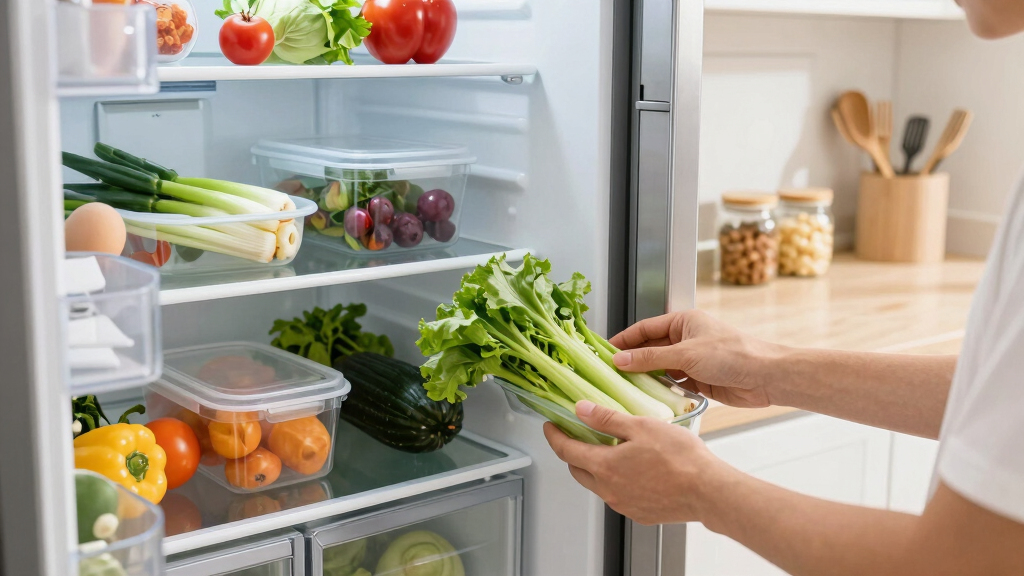
Spending 10 minutes reorganizing your fridge can boost healthy eating and cut food waste. It’s a simple, practical step that makes nutritious choices more visible and accessible, saving you time and hassle.
Kitchen behavior design / 10-minute reset
The 10-Minute Fridge Reset That Makes Better Eating Almost Automatic
A fast monthly reorganization turns the fridge into a visual cue system: healthy foods move forward, leftovers stop disappearing, and nutritious choices become easier than rummaging for whatever is closest.
Make the best choice the easiest thing to see.
Why The Reset Works
The fridge is not just storage. It is a decision surface. When nutritious food is easy to spot and leftovers are clearly labeled, the lower-effort choice becomes the better choice.
Eye-Level Produce
Move washed greens, berries, carrots, and ready-to-eat snacks to the shelf you see first.
Grab-And-Go Prep
Clear containers make leftovers and sliced vegetables feel like immediate meal options.
Use-Soon Zone
A dedicated front section keeps fragile foods from drifting into the forgotten back row.
Clean Slate
Wiping shelves removes spills, odors, and the subtle cue that the fridge is already chaotic.
Labels Beat Memory
Dates and names prevent duplicate buying and make meal decisions faster during busy evenings.
Monthly Cue
A recurring reset creates a simple ritual that supports freshness, budget, and healthier defaults.
The Five-Step Reset Flow
Start broad, then narrow: clean the shelf, sort the food, remove risk, improve visibility, and add a tiny planning layer.
Empty
Pull everything out and wipe shelves with a damp cloth.
Sort
Group produce, dairy, condiments, proteins, and leftovers.
Toss
Discard expired, spoiled, fuzzy, or questionable items.
Stage
Put healthy staples and use-soon foods at eye level.
Label
Date leftovers and note what should be eaten first.
Traditional Fridge vs. Reset Fridge
The goal is not perfection. It is a layout that makes nutritious foods visible, reduces duplicate buying, and protects freshness.
| Feature | Traditional Fridge | Reset Fridge | Behavior Signal |
|---|---|---|---|
| Clutter Level | ~ Variable, often messy | ✓ Minimal, zoned, readable | Less searching, fewer duplicate buys |
| Food Visibility | ✗ Healthy items hidden | ✓ Produce and leftovers up front | Better first-glance choices |
| Food Waste | ✗ Higher risk of forgotten food | ✓ Use-soon zone lowers spoilage | More food eaten before expiry |
| Eating Habits | ~ Impulsive and convenience-led | ✓ Intentional and automatic | Healthy options become the default |
| Meal Prep | ✗ Ingredients scattered | ✓ Clear containers and labels | Faster lunches, dinners, and snacks |
Data Cues Worth Building Around
Small environmental shifts compound because they remove daily hesitation. Visibility, freshness, and time savings all push in the same direction.
From Hidden Food To Automatic Choice
The reset moves foods along a simple behavior scale: from unseen and effortful to visible, labeled, and ready.
Your Essential Toolkit
Keep the setup simple. The best tools are the ones that make the next reset faster, clearer, and easier to maintain.
Clear Containers
Stackable, airtight storage keeps leftovers visible and fresh.
Labels + Marker
Dates make use-soon decisions obvious at a glance.
Microfiber Cloth
A quick wipe resets the fridge visually and hygienically.
Whiteboard List
Track what should be cooked, eaten, or replaced next.
Bins + Zones
Designated spaces prevent categories from blending together.
The Habit Chain
A better fridge layout connects tiny actions to visible rewards: less waste, faster meals, and healthier choices that require less willpower.
Key Takeaways
- Spending 10 minutes a month on a fridge reset boosts healthy eating by making nutritious foods more visible and accessible.
- Organized, clutter-free fridges can cut food waste by up to 30%.
- Use clear containers, labels, and designated zones to keep your fridge tidy and functional.
- Routine resets create a visual cue that encourages healthier choices without extra effort.
- A well-maintained fridge extends food freshness, saves money, and simplifies meal prep.
As an affiliate, we earn on qualifying purchases.
Why a 10-Minute Fridge Reset Changes Your Food Game
Spending just ten minutes to tidy up your fridge can dramatically shift how you eat. A cluttered, messy fridge makes healthy options hard to find and less appealing.
When you organize it intentionally, you’ll see more fruits, veggies, and prepared meals, which naturally encourages you to reach for them. Plus, it cuts down on food waste — no more forgotten leftovers lurking in the back.
Picture this: you open the fridge, see bright red strawberries, crunchy carrots, and neatly labeled containers of leftovers. Your brain instantly connects these visuals with healthy, quick snacks or meal components.
Deeply, this matters because our environment heavily influences our choices. An organized fridge reduces decision fatigue—making healthy options the easy options. It also minimizes the chance of eating spoiled or forgotten foods, which can lead to unnecessary waste and expense. The tradeoff might be a little upfront effort, but the payoff is a fridge that supports your health goals and saves you money by preventing food from spoiling.
As an affiliate, we earn on qualifying purchases.
How to Do the Perfect Fridge Reset in 5 Simple Steps
- Remove everything: Take out all items and wipe down shelves with a damp cloth. This step is crucial because it clears out crumbs, spills, and bacteria, creating a clean slate that encourages better habits.
- Sort foods: Group similar items—vegetables, dairy, condiments, leftovers. Sorting helps you see what you have, prevents duplicates, and reduces impulse buying or overstocking. It also makes it easier to plan meals and snacks, reducing the likelihood of spoilage.
- Discard spoiled or expired food: Be ruthless. If it’s fuzzy, smells off, or is past its date, toss it. Holding onto spoiled food not only wastes space but also risks contamination and unhealthy eating. This step ensures your fridge is a safe environment for fresh, nutritious foods.
- Rearrange for visibility: Place healthy staples at eye level, store leftovers in clear containers, and keep less-used items in the back. Proper placement influences what you see first, guiding healthier choices and reducing the time spent searching for ingredients.
- Plan ahead: Use labels, jot down what needs to be used soon, and organize for easy access. Planning reduces last-minute decisions that might lead to unhealthy options or food waste. It also helps you stay on top of perishables, ensuring nothing goes bad unnoticed.
For example, storing pre-washed spinach and sliced cucumbers at eye level makes grabbing a salad quick and effortless, reinforcing healthy eating habits daily.
As an affiliate, we earn on qualifying purchases.
Comparison Table: Traditional vs. Reset Fridge
| Feature | Traditional Fridge | Reset Fridge |
|---|---|---|
| Clutter level | Variable, often messy | Minimal, organized |
| Food visibility | Limited, items hidden | High, everything visible |
| Food waste | Higher, overlooked leftovers | Lower, fresher foods |
| Eating habits | Impulsive, less healthy | Intentional, healthier |
Think of the reset as turning your fridge from a cluttered closet into a well-lit pantry—everything’s at your fingertips. This transformation isn’t just about tidiness; it’s about creating an environment that promotes smarter, healthier choices. When your fridge is cluttered, it’s easy to overlook nutritious foods or resort to less healthy options simply because they’re more accessible. An organized fridge reduces this cognitive load, making healthy eating a natural consequence of your environment. The tradeoff is that initial effort, but the long-term benefits include sustained healthier habits and less food waste, which saves money and reduces environmental impact.
As an affiliate, we earn on qualifying purchases.
Quick Tips to Keep Your Fridge Fresh and Functional
- Use clear containers with labels for leftovers. This not only keeps things tidy but also helps you quickly identify what’s inside, reducing the chance of forgotten or spoiled food.
- Store fruits and veggies at eye level to promote healthy snacking. When produce is front and center, you’re more likely to grab a healthy snack instead of processed options.
- Set a monthly reminder for a fridge reset. Regular check-ins reinforce good habits and prevent clutter from building up again, making maintenance easier over time.
- Keep a running list of what needs to be used soon. This helps prioritize perishables and reduces waste by encouraging timely consumption.
- Wipe shelves weekly to prevent spills and keep it clean. A clean fridge not only looks better but also reduces bacteria and mold, contributing to overall food safety and freshness.
For example, pre-washing and slicing carrots on Sundays turns a healthy snack into a 30-second grab-and-go moment all week long, reinforcing positive habits and making healthy choices effortless.
What Science Says About Organized Fridges and Healthy Eating
Research shows that visual cues influence our food choices significantly. When healthy foods are front and center, your brain naturally leans toward them. This isn’t just about aesthetics; it’s about how our environment shapes our behavior. A tidy, well-organized fridge reduces decision fatigue—the mental effort required to choose what to eat—making healthy options the default. According to an anonymous researcher, a tidy fridge increases fruit and vegetable intake by up to 20%. This isn’t just a small boost; it can be a meaningful step toward better nutrition. Proper storage also extends produce freshness, which means less food waste and more savings. The science underscores that our environment can either promote or hinder healthy habits, and a simple fridge reset is a powerful, evidence-based tool to nudge you toward better choices.
How Often Should You Do a Fridge Reset? Set a Routine
The best practice is to reset your fridge once a month. This frequency strikes a balance between maintaining organization and not feeling burdensome. Regular resets help prevent clutter from accumulating, which can lead to decision fatigue or overlooked perishables. If you notice your fridge getting overwhelming or food spoiling faster, doing it more frequently—biweekly or even weekly—can be beneficial. Think of it as giving your environment a quick tune-up, much like cleaning your workspace or watering plants. This routine not only keeps your fridge functional but also reinforces habits that support healthier eating and reduces waste. The key is consistency; over time, these small efforts become automatic, making healthy eating a seamless part of your lifestyle.
Your Essential Fridge Reset Toolkit
- Clear storage containers (preferably stackable)
- Labels and marker
- Microfiber cloth or sponge
- Magnetic whiteboard or notepad
- Adjustable shelves or bins (if possible)
Having these on hand makes your reset quick and effective. Using proper tools minimizes the effort needed and ensures your organization lasts longer. For example, labeling leftovers helps you quickly identify what needs to be eaten first, reducing waste and preventing forgotten items from spoiling. Adjustable shelves or bins allow you to customize storage based on your needs, making it easier to keep things accessible and tidy. The right toolkit transforms a potentially tedious task into a straightforward routine that promotes lasting habits and keeps your fridge in optimal shape.
Your Reset, Your Routine — Keep It Simple
Consistency beats perfection. Even a quick 10-minute reset every month can transform your kitchen into a hub of healthy choices. Think of it as giving your fridge a mini facelift—quick, easy, and totally worth it. Over time, these small, regular efforts help embed habits that support nutritious eating without feeling like a chore. The tradeoff is minimal time for maximum benefit: a more functional, inviting fridge that encourages healthier choices naturally. By making this a regular part of your routine, you develop a positive feedback loop—organized environment, better habits, healthier lifestyle. Ultimately, simplicity and consistency are the keys to long-term success.
This approach doesn’t just keep your fridge tidy; it subtly shapes your behavior, making healthy eating a natural and effortless part of your daily life.
Frequently Asked Questions
How often should I do a fridge reset?
Aim for once a month to keep clutter down and food fresh. If your fridge gets overwhelming sooner, do a reset more frequently.What are the best containers for leftovers?
Clear, stackable containers with airtight lids work best. They keep food fresh longer and make it easy to see what’s inside.How can I make healthy foods more appealing?
Pre-wash, cut, and store fruits and vegetables at eye level. Bright colors and easy access encourage healthier snacking.What quick tips help maintain fridge organization?
Regularly check for expired items, label leftovers, and designate specific zones for different food groups.Can this really help with weight management?
Yes. Making healthy foods more visible and easier to reach encourages better choices, reducing impulse eating of less nutritious options.Conclusion
A 10-minute fridge reset isn’t just about tidiness — it’s a powerful step toward making healthy eating almost automatic. Your kitchen becomes a place where good choices are the easiest choices. Take a few minutes today, and watch how your habits transform—one organized shelf at a time.NFL season / tailgating Picks
team gear
As an affiliate, we earn on qualifying purchases.