
TL;DR

Get kitchen staples and gadgets delivered free with Prime
- Fast, free delivery on millions of items
- Prime Video, Amazon Music and more included
- Member-only deals all year
Healthy lunch box containers should be safe, durable, and eco-friendly. Materials like BPA-free plastic, stainless steel, and glass are best. Features like leak-proof compartments and temperature retention help keep food fresh and appealing.
If you’re tired of soggy sandwiches, spilled snacks, or worrying about chemicals leaching into your food, you’re not alone. Choosing the right lunch box container isn’t just about looks—it’s about safety, durability, and making healthy eating simple. Whether packing for work, school, or a day out, the perfect container keeps food fresh, looks good, and supports your eco-friendly goals.
In this guide, you’ll learn what makes a lunch box container truly healthy and how to spot the best options on the market. No fluff—just practical tips to help you make smarter choices for yourself and your family.
Choose containers made from BPA-free plastics, stainless steel, or borosilicate glass for safety.
Durability depends on high-quality materials and thoughtful design—look for reinforced edges and leak-proof seals.
Insulated containers and ice packs keep hot foods hot and cold foods cold for hours.
Eco-friendly options like silicone and bamboo are tough, sustainable, and safe for daily use.
For kids, fun colors and compartments make healthy eating more appealing and manageable.
What Materials Keep Food Safe and Tasty?
Materials are the backbone of a good lunch box container. Food-grade plastics, stainless steel, and borosilicate glass top the list for safety. These materials won’t leach harmful chemicals into your food, even after repeated use or heating.
For example, stainless steel is durable and non-reactive—perfect for hot foods and cold salads. Glass is non-porous, so it won’t stain or retain odors, making it easy to clean. BPA-free plastics are lightweight and budget-friendly but check for high-quality, food-safe versions.
Warning: Avoid containers with harmful coatings or liners. They can break down over time and contaminate your food, especially when heated or scratched. Choosing safer materials isn’t just about avoiding immediate health risks; it impacts long-term safety and environmental sustainability. For instance, some plastics contain additives that might leach over time, especially if exposed to heat. Similarly, glass and stainless steel are more eco-friendly because they last longer and can be recycled easily. The tradeoff often involves weight and convenience, but prioritizing safety and sustainability can lead to healthier eating habits and less environmental impact.
BPA-free stainless steel lunch box containers
As an affiliate, we earn on qualifying purchases.
As an affiliate, we earn on qualifying purchases.
How to Pick a Container That Lasts and Keeps Food Fresh
- Look for sturdy, high-quality materials— stainless steel or tempered glass are best for longevity. These materials resist cracking and staining, which means fewer replacements and less waste over time.
- Check if it’s dishwasher safe, microwave compatible, and freezer-friendly—saving you time and hassle. These features add convenience but also influence how you use and maintain your containers, affecting their lifespan.
- Choose containers with secure, leak-proof lids—no more spills on your bag or desk. The quality of seals can determine whether your food stays fresh or gets messy, especially when transporting liquids or moist foods.
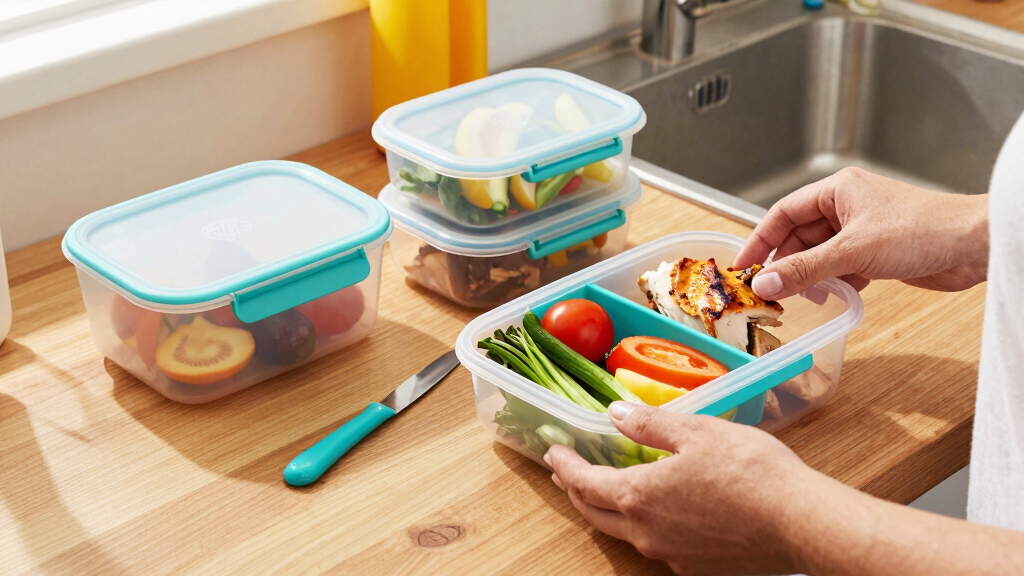
- Opt for containers with compartments—these help in portion control and keeping foods from mixing. They also promote balanced meals and reduce the need for extra packaging or containers.
- Pick sizes suitable for your meals—small for snacks, larger for full meals. Proper sizing reduces food waste and makes packing more efficient.
leak-proof glass food storage containers
As an affiliate, we earn on qualifying purchases.
As an affiliate, we earn on qualifying purchases.
Comparison Table: Plastic, Stainless Steel, Glass — Which Is Best?
| Feature | Plastic | Stainless Steel | Glass |
|---|---|---|---|
| Safety | BPA-free options available | Non-reactive, very safe | Non-porous, no chemicals |
| Durability | Prone to cracks, stains | Very durable, dents less | Shatters if dropped |
| Weight | Lightweight | Heavier | Moderate |
| Microwave Use | Yes, check label | No | Yes, if oven-safe |
| Ease of Cleaning | Dishwasher safe | Dishwasher safe | Dishwasher safe |
| Price | Lower | Higher | Moderate |
Choosing between them depends on your priorities—durability, safety, weight, or budget. For heavy use and longevity, stainless steel often wins because it resists dents and stains, making it a long-term investment. Glass containers provide peace of mind about chemicals but are more fragile, requiring careful handling and storage. Plastic offers versatility and lightweight convenience but demands careful selection of high-quality, food-safe options to avoid health risks. Understanding these tradeoffs helps you pick the right container for your lifestyle and values, balancing safety, durability, and convenience effectively.
insulated kids lunch boxes with compartments
As an affiliate, we earn on qualifying purchases.
As an affiliate, we earn on qualifying purchases.
How to Keep Food Hot or Cold Without Spills
Keeping your food at the right temperature can make or break the lunch experience. Insulated containers are your best friends for hot soups or cold salads. Look for models that use vacuum-sealed walls—these trap temperature and prevent leaks, extending the freshness and safety of your food. The effectiveness of insulation directly impacts how long your meal stays at the desired temperature, which is crucial for both safety and enjoyment.
For example, a stainless steel thermos can keep coffee hot for 12 hours or ice water cold for 24 hours. Pre-warming or pre-chilling the container before filling it maximizes its temperature retention, reducing the risk of bacterial growth in hot foods or spoilage in cold foods. Pair insulated containers with ice packs or gel inserts for extra stability—this layered approach ensures your food remains safe and appealing until mealtime.
Check if lids are airtight—this stops spills and preserves temperature, but also prevents external contaminants from entering. Proper sealing and insulation work together to enhance safety, reduce waste, and improve the overall eating experience.
eco-friendly silicone food containers
As an affiliate, we earn on qualifying purchases.
As an affiliate, we earn on qualifying purchases.
Eco-Friendly Lunch Containers That Don’t Sacrifice Durability
Eco-friendly doesn’t mean fragile. Materials like bamboo, silicone, and biodegradable plastics are tough enough for daily use, but understanding their limitations is key. For example, while silicone collapsible bowls are highly durable and flexible, they can degrade over time if exposed to high heat or harsh chemicals. Bamboo containers are naturally antimicrobial and biodegradable, but they require proper care to prevent cracking or warping. Reusable options cut down on waste and often last longer than single-use plastics, but they must be selected with durability in mind, especially for frequent, daily use.
For instance, silicone collapsible bowls are lightweight, durable, and take up less space when empty, making them practical for on-the-go lifestyles. Bamboo containers are naturally antimicrobial and biodegradable, making them a sustainable choice—yet they may require hand washing and gentle handling to prolong their lifespan. Always check product reviews and manufacturer information to ensure that eco-friendly containers are reinforced with features like leak-proof seals and reinforced edges, which are crucial for daily durability and safety.
Tip: Always check product reviews for durability. Many eco-friendly containers now feature reinforced corners and leak-proof seals, making them suitable for regular use. Combining sustainability with resilience ensures your eco-conscious choices stand the test of time, reducing waste and supporting a healthier planet.
What Kids’ Lunch Containers Need to Make Healthy Eating Fun
Kids’ lunch containers should combine safety with a splash of fun. Bright colors, character themes, and easy-open lids encourage kids to take charge of their healthy choices. Leak-proof compartments prevent spills of yogurt or juice boxes, reducing messes and waste. The design should also consider small hands—easy-open clasps and lightweight construction help children manage their lunch independently, fostering confidence and independence.
For example, a container with separate sections for veggies, dip, and fruit slices makes balanced meals appealing. This variety not only stimulates interest but also teaches portion control and food diversity. Lightweight, with easy-to-open clasps, helps small hands manage lunch without frustration, encouraging positive eating habits. When children are involved in choosing and packing their lunch containers, they feel more ownership and are more likely to eat what they’ve packed, reinforcing healthy habits and making mealtime enjoyable.
Pro tip: Let kids pick their favorite colors or themes. When they feel involved, they’re more likely to eat what’s packed, turning healthy eating into a fun and engaging experience.
Frequently Asked Questions
What materials are safest for lunch box containers?
BPA-free plastics, stainless steel, and borosilicate glass are the safest choices. They won’t leach harmful chemicals, even when heated or used repeatedly.
Are stainless steel containers better than plastic?
Stainless steel is more durable, non-reactive, and eco-friendly. However, it’s heavier and not microwave-safe. Plastic can be lighter and microwave-compatible but choose high-quality, BPA-free versions for safety.
How do I clean and maintain lunch box containers?
Most are dishwasher safe. For glass and stainless steel, avoid abrasive scrubbers to prevent scratches. Regularly check for cracks, stains, or odors—replace if needed to keep food safe.
Can these containers handle hot and cold foods?
Yes, especially insulated or thermal containers. They’re designed to maintain temperature for several hours, making them perfect for soups, stews, salads, or snacks.
What features should I look for in a kid-friendly lunch container?
Leak-proof lids, easy-open clasps, vibrant colors, and compartments for variety make packing fun and easy for children. Safety and durability are key, too.
Conclusion
Picking the right lunch box container isn’t just about style; it’s about safety, longevity, and supporting your health goals. When you invest in durable, safe, and eco-friendly options, you’re making a smart choice for your well-being—and the planet.
Next time you buy a container, imagine the meals it’ll hold. Will it keep your food fresh and your conscience clear? That’s the real win.
Fall Picks
fall essentials
As an affiliate, we earn on qualifying purchases.