
TL;DR

Get kitchen staples and gadgets delivered free with Prime
- Fast, free delivery on millions of items
- Prime Video, Amazon Music and more included
- Member-only deals all year
The CDC has declared the 2026 Salmonella outbreak linked to backyard poultry over. It counted 1,253 illnesses across 46 states and Puerto Rico, with 256 hospitalizations and two deaths; some outbreak strains showed antibiotic resistance.
The Centers for Disease Control and Prevention has declared over a 2026 Salmonella outbreak linked to backyard poultry, after 1,253 people were reported sick across 46 states and Puerto Rico. The outbreak included 256 hospitalizations and two deaths, and the CDC said one in five patients was younger than 5.
The reported infections involved seven Salmonella types: Altona, Enteritidis, Indiana, Infantis, Kedougou, Mbandaka and Saintpaul. Patients ranged in age from younger than 1 year to 99 years, with a median age of 36. The hospitalization and death figures are reported outcomes among identified patients; the CDC’s outbreak count does not include every infection that may have occurred.
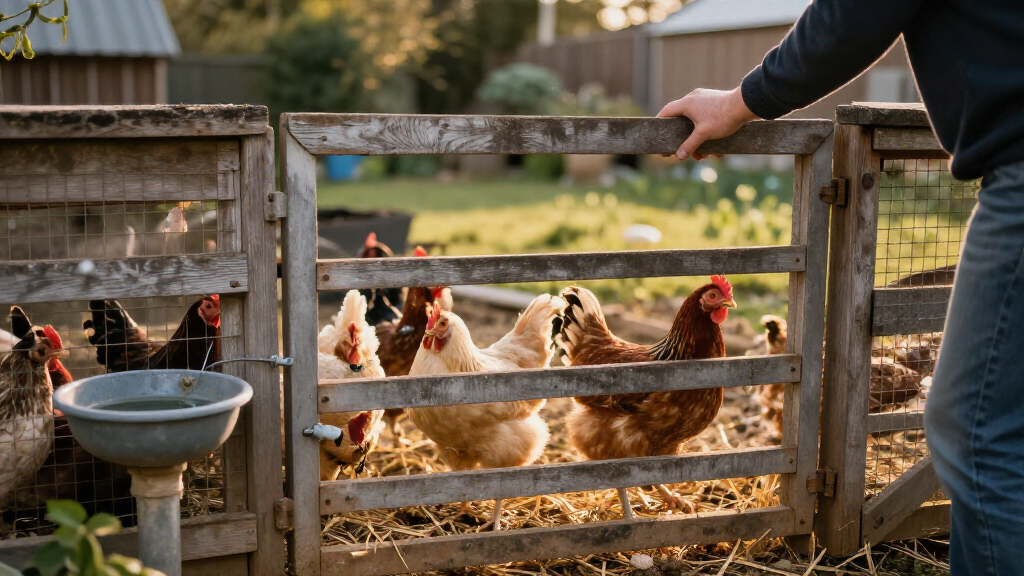
Most patients or their caregivers said chicks or ducklings for their backyard flocks had been purchased at agricultural retail stores. Others obtained birds from acquaintances, hatcheries or local farms. Investigators identified eight hatcheries that sold infected birds, but the CDC has not named them, according to Food Safety News.
Investigators in Idaho, Michigan, Minnesota, Ohio, Oregon and Tennessee sampled backyard poultry or the inside of shipping boxes used to transport live birds from hatcheries to stores. Whole genome sequencing found that Salmonella Enteritidis, Mbandaka, Kedougou and Saintpaul in those samples matched strains found in sick people. The source report says some outbreak strains were antibiotic resistant; the CDC sequenced 1,253 human isolates and found varying resistance or predicted nonsusceptibility to several drugs.
A Major Year for Poultry-Linked Illness
The outbreak was the second largest the CDC has recorded in its backyard poultry series, according to the source report. Only the 2020 outbreak, with 1,722 reported illnesses, was larger. The 2026 count also shows the scale of illness associated with keeping chicks and ducklings, while the number of identified cases likely understates the total infections.
Antibiotic resistance among some isolates adds a clinical concern. The CDC’s sequencing results included 670 isolates resistant to fosfomycin, 184 to nalidixic acid and 152 to tetracycline; another 185 were predicted nonsusceptible to ciprofloxacin. These are laboratory findings from sequenced human isolates, not a statement that every patient had a resistant infection or that treatment failed. The figures underline why identifying resistance patterns matters to clinicians treating individual patients.
Top picks for "declar salmonella outbreak"
As an affiliate, we earn on qualifying purchases.
From April Report to Outbreak Closure
The CDC first reported the outbreak on April 13, 2026, when 34 patients in 13 states had been identified; 13 had been hospitalized. The illnesses were reported to have begun on February 26. As investigations continued, the case count rose to 1,253 across 46 states and Puerto Rico before the CDC declared the outbreak over.
Food Safety News reported the CDC’s estimate that 29 infections may go undetected for every confirmed Salmonella case during an outbreak. Some people do not seek medical care, and others who do are not tested specifically for Salmonella. That estimate means the official count is not a measure of all infections, though it does not provide a precise total for this outbreak.
The source report’s year-by-year data put the 2026 total above the 2022 count of 1,230 and the 2019 count of 1,134. The 2020 peak occurred during the first year of the COVID-19 pandemic, when more people were staying home and backyard flocks were a source of entertainment, the report said.
“Eight hatcheries were identified as having sold infected birds.”
— Centers for Disease Control and Prevention, as reported by Food Safety News
Uncounted Cases and Unnamed Hatcheries
The eight hatcheries identified by investigators have not been named in the source report, and it does not specify whether the CDC plans to release their identities. The report also does not state how many infections may have gone undetected in this outbreak; the agency’s estimate is a general Salmonella outbreak estimate, not a final calculation for these cases.
The report provides resistance counts from sequenced human isolates but does not detail the clinical course or treatment of individual patients. With the outbreak declared over, it is also not clear from the source material whether any related investigations or follow-up actions remain active.
Public Health Follow-Up
The outbreak investigation is reported as over, and the source material does not give a date for a further CDC update or identify a next formal milestone. Consumers who keep backyard poultry can continue to follow routine hygiene precautions: wash hands after handling birds or their equipment, keep poultry and their supplies out of areas where food is prepared, and avoid kissing or snuggling the birds. Young children should be supervised around poultry, given that children under 5 made up one in five reported patients.
People who become ill should contact a health care provider, particularly if symptoms are severe or they are at higher risk of serious illness. The CDC’s closure announcement addresses this outbreak’s status; it does not establish that all backyard poultry or every flock is infected.
Key Questions
How many people were reported sick in the outbreak?
The CDC counted 1,253 people infected with the outbreak strains across 46 states and Puerto Rico. The actual number may have been higher because some infections are not diagnosed or reported.
How many patients were hospitalized or died?
The source report says 256 patients were hospitalized and two deaths were reported. One in five patients was younger than 5; reported ages ranged from under 1 to 99.
Where did the birds linked to the illnesses come from?
Most patients or their caregivers said chicks or ducklings came from agricultural retail stores. Others bought birds from people they knew, hatcheries or local farms. Investigators identified eight hatcheries that sold infected birds, but the source report does not name them.
Does the end of the outbreak mean backyard poultry are safe from Salmonella?
The CDC’s declaration means this specific outbreak was considered over. It does not establish that every flock is free of Salmonella; routine handwashing and keeping poultry away from food preparation areas remain sensible precautions.
Source: rss
Fall Picks
fall essentials
As an affiliate, we earn on qualifying purchases.