TL;DR

Get kitchen staples and gadgets delivered free with Prime
- Fast, free delivery on millions of items
- Prime Video, Amazon Music and more included
- Member-only deals all year
A Food Safety News report says the claim that food recalls are up 400% refers to the number of recalled units, not the number of recalls. Regulators recorded 1,634 recalls in the first half of 2026, compared with 1,636 in the same period of 2025, while the number of units recalled rose from 211.2 million to 941.2 million.
A claim that food recalls are up 400% does not mean regulators recorded four times as many recalls, according to a Food Safety News report: the number of recalls in the first half of 2026 was nearly unchanged from the same period a year earlier. The increase was in the volume of products recalled, which rose from 211.2 million units to 941.2 million, highlighting how a single food-safety problem can affect a wider range of products, as seen in a frozen-food recall.
The report says regulators recorded 1,634 recalls in the first half of 2026, compared with 1,636 in the first half of 2025. Those figures do not support a substantial year-over-year increase in recall frequency for that six-month comparison. The much larger change was in recalled units: 941.2 million in the first half of 2026, against 211.2 million in the corresponding period of 2025.
The report traces the 400% claim to a social media post by a creator who said she had read that figure but did not identify its source or explain what it measured. The report says the underlying figures show that the claim relates to the volume of affected units, rather than the count of recall events. It does not provide a separate published source for the dataset in the supplied material, so the figures should be understood as reported by Food Safety News.
Roger Hancock, the report’s author and CEO of Recall InfoLink, points to the spread of shared suppliers as one reason a single incident can reach many brands and locations. He cites lettuce contaminated with Cyclospora that came from an international supplier and was distributed to Taco Bell locations and grocery-store brands. The example illustrates how a contamination event can generate a broad recall without a corresponding rise in the number of separate events, much like the Fromm and Oma’s Pride recalls.
Why More Units Are Being Recalled
The distinction matters because frequency and scale describe different food-safety risks. A rise in the number of recall events could point to a need to examine prevention practices and food-safety controls. A rise in the number of affected units, by contrast, makes traceability and communication central: companies and regulators need to identify the products involved and tell customers what to do.
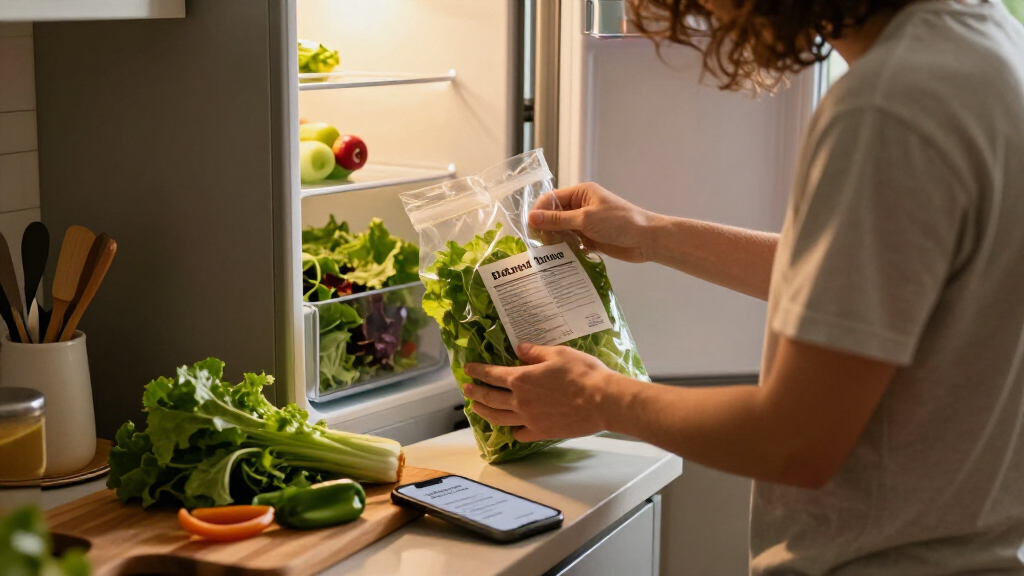
For consumers, a larger recall does not by itself show that every product in a category is unsafe. The report says a widespread incident can result when an ingredient from one supplier is used across many products or sold through multiple outlets. Consumers can check recall notices for the affected products rather than assume that all products in a category are included.
Clear product identifiers, consistent information from suppliers and retailers, and timely notices can help consumers determine whether a purchased item is covered and what action to take. The report does not assess how often unclear notices lead consumers to miss warnings or discard unaffected food.
As an affiliate, we earn on qualifying purchases.
How Recall Counts Differ From Reach
The report describes a summer of prominent recalls and public concern about food safety. In that setting, a headline saying recalls had risen 400% spread quickly. Hancock says the figure resonated in part because it appeared to match public perceptions of more frequent recalls, although the reported count for the first half of the year was essentially flat compared with the prior-year period.
The report links the larger volume of recalled units to complex supply chains. When many companies rely on the same supplier, one contaminated ingredient can affect multiple brands, retailers, or restaurant locations. The Cyclospora lettuce example is offered as a case of that wider reach; the supplied material does not give further details about the incident’s dates, the exact products involved, or the number of units affected.
A recall can also indicate that a potential hazard was identified and action was taken, the report notes. That does not remove the need to address contamination or other safety failures. The number of units recalled is not, by itself, a measure of how often safety problems occur: recall count and recall size answer different questions.
““Frequency and scale are two different problems with two different solutions.””
— Roger Hancock, CEO of Recall InfoLink and author of the Food Safety News report
As an affiliate, we earn on qualifying purchases.
Limits of the Available Recall Data
The supplied report gives first-half totals for 2026 and 2025, but does not name the underlying regulator dataset, explain its counting method, or provide a breakdown by hazard, product category, or recall size. It also does not specify the precise calculation behind the 400% figure. The stated figures show recalled units rising from 211.2 million to 941.2 million, but the article’s material does not set out how the percentage was calculated or define what it means by “up 400 percent.”
The figures cover only the first six months of each year, so they do not establish the full-year trend or explain what drove the change. The report also does not provide evidence that recalls became more frequent overall, nor enough detail to assess whether changes in reporting, product distribution, or recall practices affected the totals. Those questions remain open based on the source material.
As an affiliate, we earn on qualifying purchases.
What Consumers and Companies Need
The report calls for food companies to provide fast, specific recall notices that let customers identify affected products and understand the action to take. It says companies should coordinate with supply-chain partners and communicate consistently through both suppliers and the places where food is sold. The material does not announce a new regulatory measure or give a timetable for further action.
Consumers can use official recall notices and the product details supplied by retailers or manufacturers to check whether a specific item is covered. The report’s central request is that companies make those notices clear enough to support that check. Further year-over-year data, including the method behind the recalled-unit totals and figures for the second half of 2026, would help clarify whether the pattern continues and what is driving it.
As an affiliate, we earn on qualifying purchases.
Key Questions
Are food recalls up 400%?
The report says the widely shared claim refers to the volume of recalled units, not the number of recall events. It gives no detailed calculation for the 400% figure, so that wording should be read with the source’s limits in mind.
How many recalls were recorded in the first half of 2026?
Food Safety News reports 1,634 recalls in the first half of 2026, compared with 1,636 in the first half of 2025.
How many units were recalled in those periods?
The report gives totals of 941.2 million units in the first half of 2026 and 211.2 million in the first half of 2025. It does not provide a breakdown by product or recall.
Does a larger recall mean all products of that type are unsafe?
No. The report says a large recall may involve an ingredient distributed across many brands. Consumers should check the specific products and identifiers in the relevant recall notice, rather than assuming every item in that category is affected.
What is still unknown about the 400% figure?
The supplied report does not identify the original social media claim’s data source, spell out the calculation, or explain the regulator dataset’s methodology. It also provides only first-half comparisons, not a full-year trend or a detailed account of what caused the increase in recalled units.
Source: rss
Halloween Picks
halloween
As an affiliate, we earn on qualifying purchases.