
TL;DR
Open a free Amazon Business account
Business pricing, bulk buying and tax-exempt orders.
Create a free accountAs an affiliate, we earn on qualifying purchases.
Healthy lunch box containers must be safe, durable, and eco-friendly. Materials like stainless steel and glass lead the way, with innovations making packing nutritious meals safer and simpler.
Imagine packing a meal for your kid or yourself, only to worry if the container is safe or might leak all over your bag. It’s a common stressor, but choosing the right container can turn lunchtime from a hassle to a breeze. You want something that’s safe, durable, and eco-friendly—without sacrificing style or convenience.
This article cuts through the clutter to show you exactly what to look for in a healthy lunch box container. Whether you’re packing for a busy workday or a kid’s school lunch, I’ll share real-world tips, recent innovations, and practical advice to keep your food fresh, safe, and waste-free.
Stick to glass or stainless steel for maximum safety and minimal chemical risk.
Prioritize containers with leak-proof seals and sturdy materials for durability.
Use compartments to promote balanced meals and prevent food mixing.
Choose eco-friendly options like recycled plastics or biodegradable materials.
Check if containers are dishwasher and microwave safe to save time and ensure hygiene.
What Materials Make a Lunch Box Truly Safe?
The best lunch boxes are made from food-grade, non-toxic materials. Glass and stainless steel top the list because they don’t leach chemicals, unlike some plastics. For example, glass can handle hot foods and reheating without any worries about harmful residues. Stainless steel is tough, lightweight, and naturally antimicrobial.
On the other hand, many plastics claim to be BPA-free, but some still contain other chemicals like phthalates or lead. Always check for certifications. If you’re packing for a child, avoid plastics with dyes or opaque coatings—they often contain dyes that can fade or chip over time, potentially exposing harmful substances.
Recent tech has introduced silicone lids and seals, offering a flexible, leak-proof option that’s also non-toxic. Plus, silicone is heat-resistant and easy to clean, making it a smart pick for busy households.
Understanding why these materials matter is crucial. Glass and stainless steel are inert, meaning they don’t react with food, which preserves flavor and prevents chemical transfer. Their durability also means fewer replacements and less waste over time. Silicone, although synthetic, is stable and safe, providing a versatile sealing option that reduces leaks and contamination risk. Choosing these materials balances safety, functionality, and environmental considerations, making them ideal for health-conscious families.

Caperci 25oz Large Stainless Steel Food Containers, 3-Pack Bento Lunch Box with Silicone Lids, Leak-Proof Reusable Meal Prep Container for Sandwiches & Snacks, BPA-Free (720ML)
- Large Capacity: 25oz (720ml) for full meals
- Eco-Friendly Material: Made of BPA-free stainless steel and silicone
- Leak-Proof Lid: Secure silicone lid prevents leaks
As an affiliate, we earn on qualifying purchases.
As an affiliate, we earn on qualifying purchases.
How to Pick a Durable, Long-Lasting Lunch Box
- Choose sturdy materials like stainless steel or thick glass. These resist cracks and warping over time, which is essential because a fragile container can break, causing mess and waste, and forcing you to replace it often. Durability reduces environmental impact by extending the lifespan of your investment.
- Look for reinforced lids and seals. Silicone or rubber gaskets are not just about preventing leaks—they also help maintain the container’s structural integrity by absorbing shocks and preventing accidental cracks during drops or impacts.
- Check dishwasher compatibility. Easy cleaning is vital because leftover food or bacteria can compromise safety and hygiene. A dishwasher-safe container encourages regular cleaning, extending its usability and keeping your food safe from contamination.
- Test the design. Can it withstand drops or bumps? A well-made container with thoughtful design features—like rounded edges and secure clasps—reduces the risk of breakage and leakage, especially in the chaos of busy mornings or children’s backpacks. Investing in quality pays off by avoiding frequent replacements and ensuring your meals stay protected.
For example, a stainless steel box with a silicone gasket can handle daily drops and still keep your food safe and spill-free. But beyond material, consider how the design supports your lifestyle—modular, stackable containers save space and reduce clutter, but also tend to be more resilient and adaptable to different meal types.
Choosing durable containers is not just about avoiding breakage; it’s about ensuring consistent safety and convenience, which ultimately encourages healthier eating habits by making meal prep easier and more reliable over time.

Vtopmart 8 Pack Glass Food Storage Containers with Airtight Lids
- Set of 8 Versatile Glass Containers: Various sizes for different uses
- Oven, Microwave, Freezer Safe: Withstands -4℉ to 752℉
- Dishwasher Safe: Easy to clean and maintain
As an affiliate, we earn on qualifying purchases.
As an affiliate, we earn on qualifying purchases.
Why Compartments and Portion Control Matter for Healthy Eating
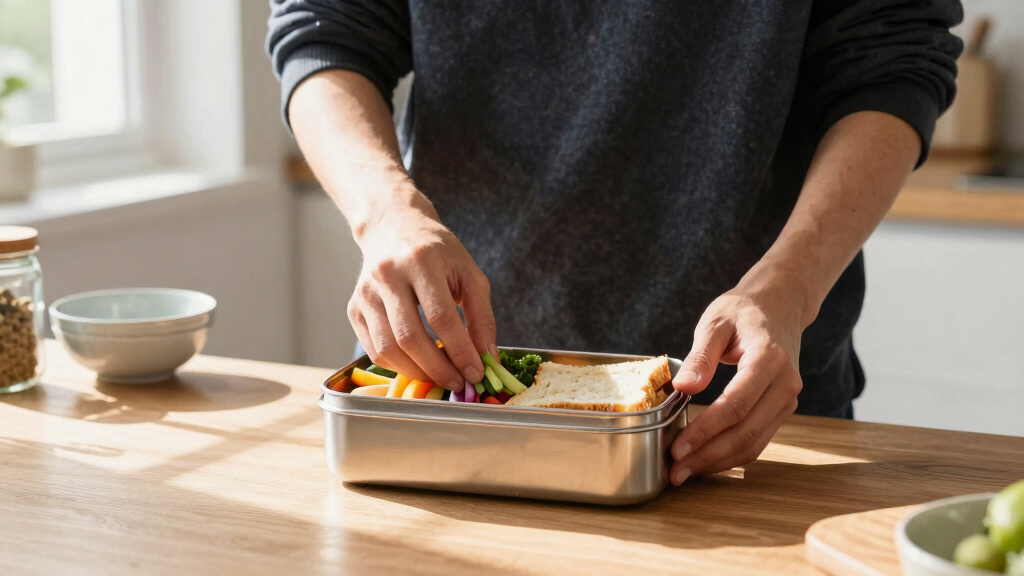
Healthy eating starts with portion control. Containers with compartments make it easy to pack a balanced meal—think crunchy carrots, hummus, and a small sandwich—without everything blending together. This separation isn’t just about aesthetics; it influences how we perceive and enjoy food. When foods are kept distinct, flavors remain pure, and the eating experience becomes more satisfying, encouraging better choices.
For example, a three-compartment box can separate proteins, carbs, and veggies, making it clearer and more appealing for kids and adults alike. This visual separation helps prevent overeating because it provides clear boundaries, making portion sizes more intuitive. It also reduces the temptation to snack mindlessly or overindulge, supporting healthier habits.
Adjust size based on age and appetite. A teenager might need a larger, 32-ounce container, while a preschooler’s lunch might fit into a 12-ounce section. Look for containers with removable dividers too—flexibility is key because dietary needs and preferences change over time. Some containers even allow you to customize the compartments, giving you control over portion sizes and food variety.
Plus, compartments help keep foods fresh and separate, reducing mess and waste at lunchtime. It’s like giving yourself a mini, organized buffet every day. This organization not only simplifies packing but also enhances the overall eating experience, making it easier to stick to healthy choices and enjoy your meal more fully.
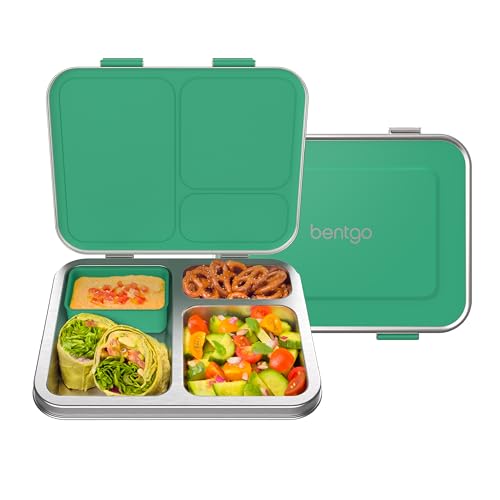
Bentgo Kids Stainless Steel Leak-Resistant Lunch Box, 3 Compartments
- Popular Lunch Box Brand: Designed and tested for kids
- Durable Stainless Steel: Made from food-grade 18/8 stainless steel
- Leak-Resistant Compartments: Keeps meals fresh and organized
As an affiliate, we earn on qualifying purchases.
As an affiliate, we earn on qualifying purchases.
Comparison Table: Plastic, Glass, and Stainless Steel Lunch Containers
| Feature | Plastic | Glass | Stainless Steel |
|---|---|---|---|
| Safety (leaching) | Depends on BPA-free label, some risks | Very safe, no chemical leaching | Very safe, no leaching |
| Durability | Prone to cracking or staining | Breakable if dropped | Highly resistant to cracks and warping |
| Ease of cleaning | Dishwasher safe, some stains possible | Dishwasher safe | Dishwasher safe, easy to clean |
| Weight | Light, portable | Heavier than plastic | Lightweight for its strength |
| Temperature handling | Safe for reheating if microwave-safe | Microwave safe (if glass) | Cannot be microwaved |
| Environmental impact | Recyclable, but plastic waste concerns | Recyclable, eco-friendly | Recyclable, eco-friendly |

Rubbermaid Brilliance Tritan Plastic Food Storage Containers BPA Free Airtight Lids Ideal for Lunch Meal Prep & Leftovers Set of 5 (3.2 Cup)
- Leak-proof Seal: Guaranteed no-spill lid and latches
- Crystal-clear Material: Stain and odor resistant Tritan plastic
- Lightweight & Durable: Easy to carry and built for everyday use
As an affiliate, we earn on qualifying purchases.
As an affiliate, we earn on qualifying purchases.
What’s New in Lunch Box Design and Tech?
Recent innovations focus on smarter, safer, and more eco-friendly options. Modular containers allow you to customize compartments for different meals, making packing easier. Slimmer designs save space, fitting more into your bag.
Smart containers with built-in temperature sensors or freshness indicators are emerging. Imagine opening your lunch to see it’s still cold or fresh—no more guessing if your food is safe.
Eco-friendly materials are gaining ground, with brands offering biodegradable or recyclable containers. Silicone lids with airtight seals prevent leaks, and some companies are even introducing containers made from recycled plastics.
Safety standards are tightening. Certifications like BPA-free, phthalate-free, and lead-free are now the norm, giving you peace of mind every time you pack.
These technological advancements are more than just gadgets—they directly impact your daily routine by making food safer, packing more efficient, and reducing environmental footprint. The integration of smart features and sustainable materials demonstrates a shift towards more thoughtful, health-conscious, and eco-friendly lunch solutions.
Quick Tips for Picking the Perfect Lunch Container
- Match container size to your typical meal or snack size.
- Go for leak-proof lids with seals—test before packing liquids.
- Look for dishwasher-safe and microwave-safe if reheating is needed.
- Pick eco-friendly options to reduce waste and help the planet.
- Read reviews to find models that hold up over time and with daily use.
For example, a parent might choose a stainless steel box with a silicone seal for their kid’s school lunch, knowing it’s tough, leak-proof, and safe for daily use.
Frequently Asked Questions
Are plastic lunch boxes safe for daily use?
Yes, but only if they’re labeled BPA-free and made from food-grade plastics. Always check the label and avoid plastics with dyes or opaque coatings, as they may contain harmful dyes or chemicals.
What materials are best for healthy lunch containers?
Glass and stainless steel are the top picks. They’re free from chemicals and can handle hot foods and reheating without concerns. Plus, they last longer and are easier to clean.
How do I prevent leaks in my lunch box?
Look for containers with airtight, leak-proof lids that have silicone gaskets. Test the seal with liquids before packing your entire lunch to avoid spills in your bag.
Can I microwave food in these containers?
Many glass and certain plastic containers are microwave-safe—always check the manufacturer’s instructions. Avoid microwaving stainless steel or non-microwave-safe plastics.
Are insulated containers worth it?
Yes, they help keep food at safe, fresh temperatures longer, especially for perishable items. They’re a smart choice if you want hot soup or chilled fruit for hours.
Conclusion
Picking the right lunch box container doesn’t have to be complicated. Focus on safety, durability, and eco-friendliness, and you’ll make lunchtime healthier and easier. A well-chosen container keeps your food fresh, your conscience clear, and your day running smoothly.
Next time you buy, imagine your ideal lunch—then choose a container that makes that vision a reality. Because when your food is safe and well-packed, lunchtime becomes a small moment of joy in your busy day.
Back to school Picks
back to school
As an affiliate, we earn on qualifying purchases.