
TL;DR

Get kitchen staples and gadgets delivered free with Prime
- Fast, free delivery on millions of items
- Prime Video, Amazon Music and more included
- Member-only deals all year
A Good Housekeeping report describes a social media trend in which people give their homes names and add personal touches such as custom towels, welcome mats and matchbooks. Designer Swati Goorha says the idea can express a household’s identity, while advising people to keep the branding restrained.
A home-branding trend is encouraging people to name their houses and create small custom details—from embroidered towels to welcome mats—that reflect the place’s character. A Good Housekeeping report describes the practice as gaining attention on social media, while interior designer Swati Goorha frames it as a personal way to make a home tell part of its owners’ story.
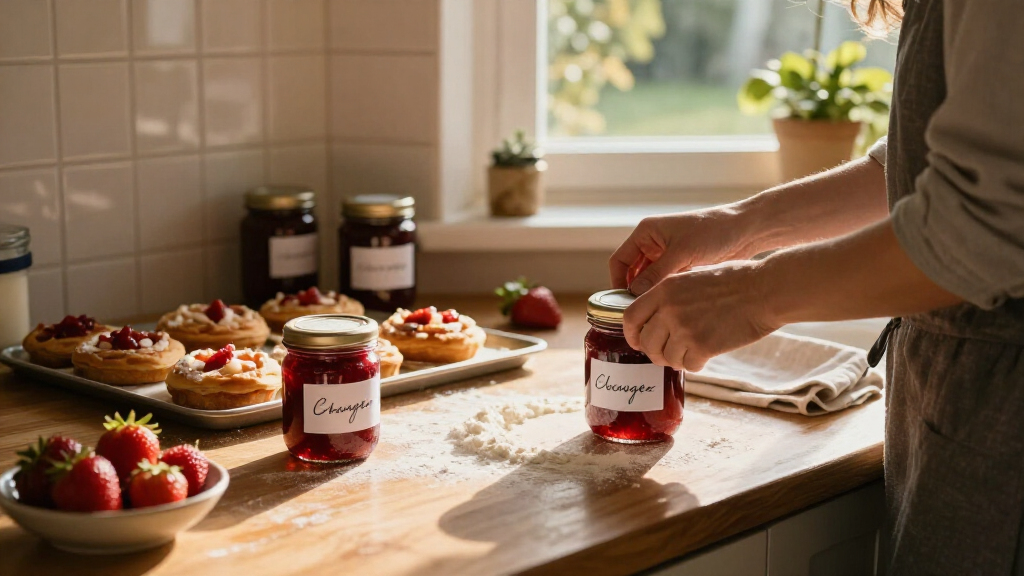
The approach generally starts with a name for the home, followed by a few related visual or practical items. Examples in the report include monogrammed napkins, hand or tea towels, candles, matchbooks, hats and sweatshirts. Some people also create a custom logo, though the report presents that as an option rather than a requirement.
Goorha, founder and principal designer of Swati Goorha Designs, suggests choosing a name based on the feeling a household wants to convey, its location, architectural style or family history. A recurring color, motif or symbol can tie the items together; a gardening household, for example, might use botanical illustrations on stationery or guest-room pieces.
The report also treats branding as something that can extend beyond objects. Hosts might serve a signature drink or establish a tradition for guests. It does not provide sales figures, survey results or other data showing how widespread the trend is, so its description of growing social-media interest is not a measured account of its reach.
Personal Details Over More Decor
The appeal of home branding is its focus on identity and hospitality rather than simply adding another decorative object. A house name or recurring motif can connect everyday items to a household’s history, setting or preferred atmosphere, while a shared ritual can make that identity part of how guests experience the home.
For readers, the ideas are adaptable: a welcome mat or a small set of towels may carry the theme without requiring a full collection. Goorha advises restraint, warning against making the home feel cheesy, overdone or too commercial. That guidance makes the trend less about outfitting every room and more about selecting a few details with personal meaning.
As an affiliate, we earn on qualifying purchases.
From Getaway Names to Daily Homes
According to Good Housekeeping, home branding is not entirely new. It has traditionally been associated with secondary or retreat-like properties, including ski chalets, lake houses and farms. The current social-media version extends the idea to ordinary homes, asking why a primary residence should not receive the same treatment.
The report connects the practice to a broader familiarity with buying merchandise for places and groups people care about, such as sports teams, neighborhood coffee shops and gyms. Its distinction is that the home itself becomes the subject: the name, imagery and objects are chosen to express the household’s own story, rather than to promote an outside organization.
“Personally, I believe home branding is a creative extension of what many designers have always believed: that your home will tell part of your story and represent who you both are.”
— Swati Goorha, founder and principal designer of Swati Goorha Designs, quoted in Good Housekeeping
As an affiliate, we earn on qualifying purchases.
How Far the Trend Has Spread
The report does not quantify how many people are branding their homes, how quickly the practice is growing or which platforms and audiences are driving it. Its description of a social-media trend establishes that the idea is being discussed, but not that it is widespread across households or the decor market.
It is also unclear whether the trend will remain focused on personal projects or lead to more businesses selling home-branded products. The examples are suggestions, not evidence of a market shift, and the report gives no pricing, consumer research or sales data.
As an affiliate, we earn on qualifying purchases.
A Few Personal Touches First
For people interested in trying the idea, the report’s suggested sequence is simple: decide what the home represents, choose a fitting name, then select a small number of coordinated details. A recurring motif or color can make separate items feel connected, while an established guest tradition can carry the theme without a purchase.
Whether the trend continues to gain visibility will depend on developments not measured in the report, including further social-media coverage and consumer interest. For now, its practical takeaway is modest: begin with a personal idea, use it selectively, and avoid treating a home like a product line.
As an affiliate, we earn on qualifying purchases.
Key Questions
What does home branding mean?
It means giving a home a name and a recognizable identity, then reflecting that identity in a few details, such as towels, a welcome mat or a shared tradition.
Is home branding a new trend?
Good Housekeeping says the practice is not entirely new and has often appeared at vacation homes and retreats. The social-media trend extends the idea to everyday residences.
What are some examples of home-branded items?
Examples include embroidered towels, monogrammed napkins, candles, matchbooks, hats, sweatshirts and welcome signs. A home name or recurring motif can connect the items.
How can someone keep the look from feeling overdone?
Designer Swati Goorha recommends using restraint. A few meaningful details or a guest tradition can establish a home’s character without branding every room or item.
Is there evidence that home branding is widespread?
The report does not provide survey results, market figures or growth rates. It describes social-media interest but does not quantify how many households are taking part.
Source: rss
Halloween Picks
halloween
As an affiliate, we earn on qualifying purchases.