
TL;DR

Get kitchen staples and gadgets delivered free with Prime
- Fast, free delivery on millions of items
- Prime Video, Amazon Music and more included
- Member-only deals all year
Good Housekeeping has published a roundup of nonstick pans drawing on years of Kitchen Lab testing and use. Its picks include aluminum and ceramic-coated options, with differences in price, oven limits, handling and how easily food releases.
Good Housekeeping has published a roundup of nonstick skillets based on years of Kitchen Lab testing and use, naming models from Circulon, Tramontina, Le Creuset, GreenPan and All-Clad. The report compares how pans release eggs, distribute heat and handle higher oven temperatures, giving shoppers performance details alongside practical drawbacks such as staining, price and wear.
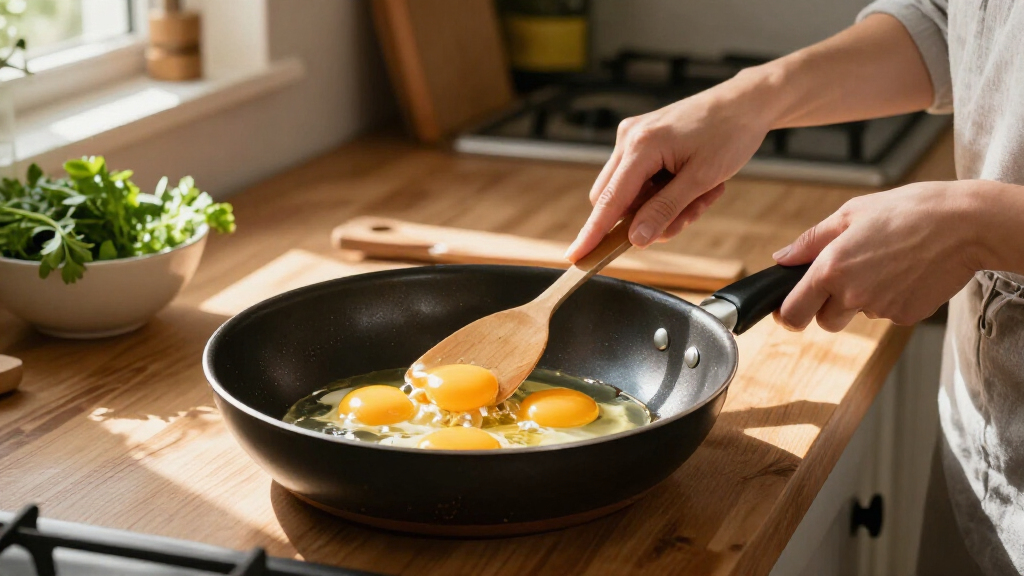
The testing described in the report covers everyday tasks including frying and scrambling eggs, searing steak and checking how evenly a pan heats. For the heat-distribution test, the reviewers coated the cooking surface with flour and looked at how uniformly it colored. The report also notes that several models released eggs easily, while performance could vary as a pan heated up.
The Circulon 10-inch skillet, made of aluminum and priced below $60 at the time of the report, was described as lightweight, balanced and easy to maneuver. Eggs released without sticking, and the flour test showed even heating. Its silicone-coated handle limits its oven-safe temperature to 400°F, a lower ceiling than some other picks.
The Tramontina 10-inch pan has sloped sides and a silicone grip, and reviewers said it seared steaks evenly. Eggs required a small nudge to release but did not need oil in the test. Its exterior stained, a cosmetic drawback noted by the report. Le Creuset’s skillet was heavier and more expensive, but reviewers said eggs released with a slight shake; it seared steak evenly and is oven-safe to 500°F.
Among the other listed pans, GreenPan’s Valencia Pro is a ceramic-coated skillet rated oven-safe to 600°F. It scored highly for heat distribution and released early batches of fried eggs easily, though food stuck more as the surface became hotter. Good Housekeeping says its lab had used the pan for more than three years and that it remained in good shape with careful handling and hand-washing. The supplied report also praises All-Clad’s wide cooking surface and even steak searing, while noting that food can collect around its rivets and make them harder to clean.
Matching a Pan to Your Cooking
The roundup matters to shoppers because nonstick pans can differ in ways that affect everyday use, not just the coating. Oven-safe limits determine whether a skillet can move from stovetop to oven for finishing a dish, while weight and handle design affect how easily it can be lifted or shaken. A wide base can help when searing proteins, and sloped sides can support tossing and flipping.
The report also makes clear that there is no single best feature for every buyer. A lower-priced pan may suit routine egg cooking, while a more expensive or heavier model may offer a different balance of construction and searing performance. Ceramic coating is another trade-off: the GreenPan performed well in several tests, but the report cautions that ceramic surfaces may show wear faster than traditional nonstick coatings.
These findings are based on the report’s tests and lab use, not a guarantee that every pan will perform the same way in every home. Cooking temperature, utensils, cleaning and frequency of use can affect results. The testing details can help readers compare models, but they do not establish a universal lifespan or long-term performance for every owner.
As an affiliate, we earn on qualifying purchases.
How the Kitchen Lab Tested
The report presents its selections as products evaluated through a mix of controlled tests and ongoing use. Alongside cooking eggs and steak, reviewers considered heat distribution, cleanup, handling and oven safety. Those measures explain why the roundup discusses both cooking outcomes and features such as coated rivets, handle materials and pan weight.
Its time frames differ by product. Good Housekeeping says it first tested the Circulon skillet several years ago and has used GreenPan’s Valencia Pro in the Kitchen Lab for more than three years. The Le Creuset pan had remained scratch-free and easy to clean after more than a year of use, according to the report. These are reported observations, not a controlled comparison of every model over an identical period.
The supplied material lists PFOA-free claims for Circulon, Tramontina and Le Creuset. Those claims are product details in the report; they do not, by themselves, provide a broader assessment of every material or chemical used in each pan. The source excerpt ends partway through the All-Clad performance description, so this article does not infer any omitted test results.
““As the cooking surface gets hotter, food tends to stick a little more.””
— Good Housekeeping’s report on the GreenPan Valencia Pro
As an affiliate, we earn on qualifying purchases.
Limits of the Available Results
The supplied report does not provide a full scoring table, detailed test protocol, sample sizes or an identical long-term testing period for all products. It also does not establish how long any pan will last in typical household use. Results may differ with cooking habits, utensils and cleaning methods.
The source excerpt’s All-Clad section is incomplete: it says eggs released easily and begins describing scrambled-egg results, but cuts off before giving the full finding. The report also does not provide a current price check for every model, so listed discounts or prices should not be treated as guaranteed. The roundup’s findings are editorial product assessments, not a claim that one skillet is best for every cook.
As an affiliate, we earn on qualifying purchases.
Check Current Prices and Care
Readers comparing these pans can use the report’s stated oven limits and performance notes as a starting point, then check the manufacturer’s current specifications, price and care instructions before buying. For the GreenPan model, Good Housekeeping says careful use of non-abrasive utensils and hand-washing helped keep its test pan in good shape; readers should follow the care guidance for whichever model they choose.
The supplied material does not announce a future testing date or product update. Any new prices, product revisions or additional long-term findings would need to be confirmed in a later report.
As an affiliate, we earn on qualifying purchases.
Key Questions
Which pan in the report has the highest stated oven-safe temperature?
GreenPan’s Valencia Pro is listed as oven-safe to 600°F, the highest limit among the pans described in the supplied report. Check the manufacturer’s current instructions before use.
Which skillet was reported to be under $60?
The Circulon 10-inch skillet was described as costing under $60 at the time of the report. Prices can change, and the supplied material does not confirm its current price.
Did the GreenPan release eggs throughout the test?
It released the first few fried eggs with ease, according to Good Housekeeping. The report says food tended to stick more as the cooking surface became hotter.
What drawback did reviewers note about the Tramontina pan?
The report says its exterior stained. It also found that fried and scrambled eggs needed a small nudge to release, although they required no oil in the test.
Does the report establish how long these pans will last?
No. It describes use of some models over more than a year or several years, but does not provide a comparable lifespan test for every pan or predict how long one will last in a household.
Source: rss
NFL season / tailgating Picks
team gear
As an affiliate, we earn on qualifying purchases.