
TL;DR

Get kitchen staples and gadgets delivered free with Prime
- Fast, free delivery on millions of items
- Prime Video, Amazon Music and more included
- Member-only deals all year
Prepping ingredients in small batches is a game-changer. It reduces daily effort, speeds up cooking, and makes healthy eating feel natural—almost automatic. Small habits like this lead to big, lasting changes.
Imagine walking into your kitchen, and healthy meals practically make themselves. No last-minute chopping, no frantic pantry searches. That’s the power of one tiny habit—prepping ingredients regularly. It’s a simple shift, but it can make eating well feel effortless, even in a busy life.
In this guide, you’ll see how a small, consistent habit transforms your kitchen routine. We’ll cover practical steps, real-world examples, and how this tiny change can make healthy meals faster, easier, and more enjoyable.
The Tiny Kitchen Habit That Makes Healthy Meals Feel Effortless
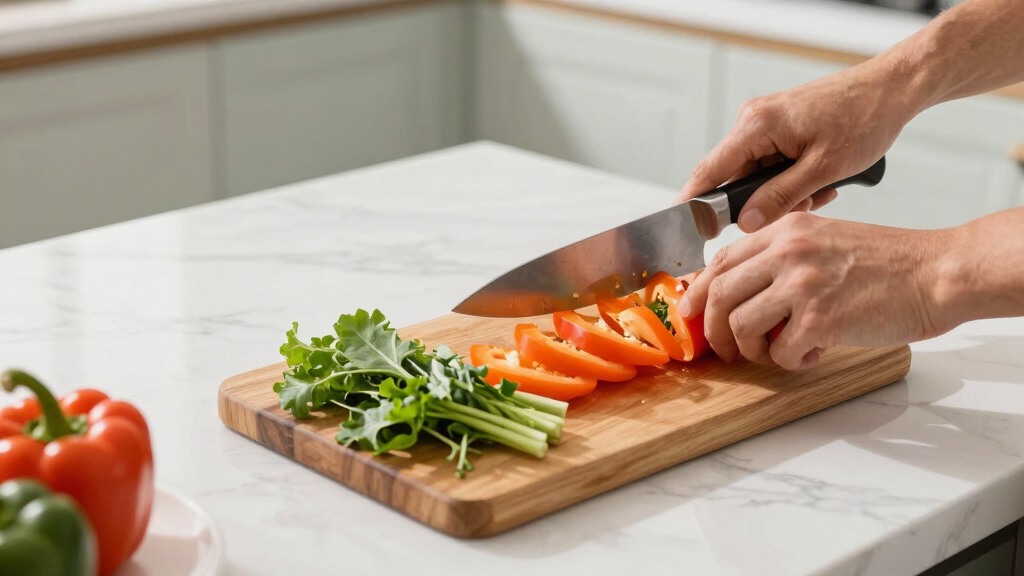
Prepping ingredients in small batches reduces daily effort, speeds up cooking, and makes healthy eating feel natural. A fridge stocked with ready-to-use vegetables, grains, proteins, and snacks turns good choices into the easiest choices.
minutes invested once can remove frantic chopping and pantry searching from busy weeknights.
minutes is realistic when vegetables, grains, and proteins are already portioned and visible.
The shift: healthy food stops feeling like a project and starts feeling like the default path through the kitchen.
ingredient or task is enough to begin.
less chopping, choosing, and cleanup at mealtime.
ingredients or fewer keeps cooking fast.
repetition makes healthy eating feel automatic.
Why It Works
Small-batch prep changes the daily equation.
Decision fatigue is a real barrier. When ingredients are already chopped, cooked, or portioned, the healthier option becomes faster than takeout, snacking, or improvising from an empty counter.
Remove the first hard step.
Opening the fridge to ready-to-use vegetables and grains makes dinner feel manageable before cooking even starts.
Make healthy options obvious.
Clear containers act like a mini pantry in the fridge, showing exactly what can become a salad, bowl, wrap, or stir-fry.
Repeat until it feels normal.
A weekly rhythm turns healthy meals from a willpower challenge into a repeatable kitchen routine.
Start Here
Three steps from empty counter to effortless meals.
Keep the routine intentionally small. The goal is not a perfect meal-prep marathon. The goal is a reliable setup that makes tomorrow’s healthy choice easier than today’s.
Choose a prep day.
Pick a repeatable window, such as Sunday morning, and protect 30 to 60 minutes as an investment in calmer meals.
Gather the week.
Pull vegetables, grains, proteins, and snacks into one place so the prep session starts with less friction.
Chop, portion, store.
Use clear containers and simple labels so healthy options stay visible, fresh, and ready for assembly.
Tools + Time
The equipment should reduce effort, not add ceremony.
Basic tools work beautifully. A sharp knife, cutting board, and containers are enough to start. Helpful upgrades simply make the habit faster and more visible.
Best tools for a lighter kitchen routine
- Food processor Speeds up chopping and slicing while keeping cuts consistent for even cooking.
- Reusable clear containers Keep prepped ingredients fresh, visible, stackable, and easier to use before they spoil.
- Meal prep mats Create a dedicated chopping and portioning zone, which keeps cleanup simple.
Effort reducers ranked by impact
Comparison
Minimal meals beat complicated recipes on busy nights.
Fewer ingredients mean fewer decisions, fewer dishes, and less kitchen clutter. That makes simple formats like bowls, stir-fries, sheet-pan dinners, salads, and overnight oats more sustainable.
| Meal Format | Prep Need | Healthy Default | Decision Load | Best Use |
|---|---|---|---|---|
| Stir-fry | Chopped vegetables, quick protein, sauce | ✓ Strong | ~ Medium | Fast dinners with flexible leftovers |
| Sheet-pan meal | Portioned vegetables and protein | ✓ Strong | ✓ Low | Hands-off cooking and batch leftovers |
| Big salad or bowl | Washed greens, grains, toppings | ✓ Strong | ✓ Low | Lunches, warm bowls, no-cook meals |
| Complex recipe | Many ingredients and timed steps | ~ Variable | ✗ High | Weekend cooking, not tired weeknights |
Long-Term Win
Small habits compound into a healthier kitchen identity.
The point is consistency, not perfection. Even after a missed week, restarting with one chopped vegetable or one cooked grain keeps the habit alive.
From overwhelmed to calm
Sarah, a busy parent, used to spend 30 minutes scrambling each evening. After Sunday prep, dinners dropped to about 10 minutes of assembly, and vegetables appeared more often at the table.
The automatic choice
When the fridge already holds washed greens, cooked grains, and cut vegetables, healthy meals require less effort than starting from scratch or ordering food.
Traceability
The habit chain is simple: setup creates momentum.
A tiny prep ritual links kitchen organization to better eating patterns, lower waste, and more frequent home cooking.
Quick Answers
Frequently asked questions for making prep stick.
Start smaller than feels impressive. A habit that survives a busy week is more powerful than a perfect plan that only works once.
What is the easiest task to start with?
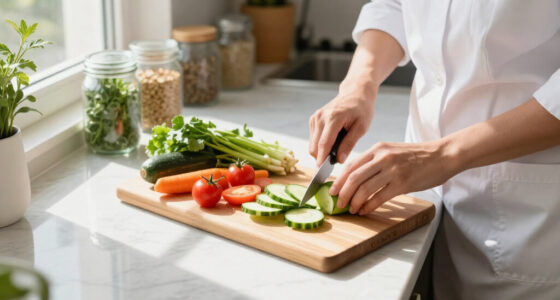
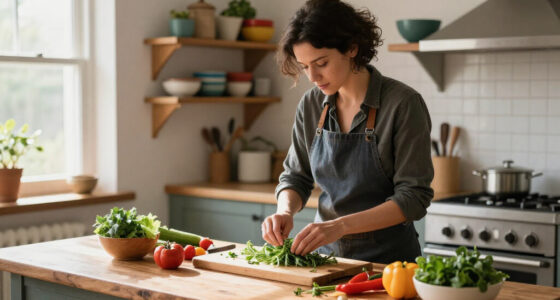
Chop a batch of vegetables for salads, stir-fries, bowls, and snacks. It creates instant flexibility.
How often should I prep?
Most people do well with one weekly session. Keep it under an hour so it feels repeatable.
Do I need fancy tools?
No. A sharp knife, cutting board, and reusable containers are enough to begin.
What if I forget one week?
Restart with one ingredient. Progress matters more than a flawless streak.
Key Takeaways
- Prepping ingredients weekly cuts cooking time and decision fatigue.
- Small, consistent habits make healthy eating feel automatic and effortless.
- Using simple tools and minimal ingredients speeds up meal prep.
- Batch prepping creates a fridge full of ready-to-eat healthy options.
- Start small—focus on one ingredient or task to build the habit.
meal prep containers for vegetables
As an affiliate, we earn on qualifying purchases.
As an affiliate, we earn on qualifying purchases.
Why Prepping in Small Batches Changes Everything
Prepping in small batches means chopping, marinating, or portioning ingredients ahead of time. This habit cuts down your cooking time during busy weekdays and removes decision fatigue. Why does this matter? Because decision fatigue is a real barrier—each choice takes mental energy, and when overwhelmed, we often default to less healthy options. By pre-preparing ingredients, you remove that mental clutter, making healthier choices the path of least resistance. Imagine opening your fridge to find ready-to-use veggies or cooked grains—everything feels less overwhelming and more manageable, encouraging consistent healthy eating.
For example, on Sundays, you chop a week’s worth of carrots, peppers, and broccoli. When dinner rolls around, you just toss them into a stir-fry or salad. It’s quick, vibrant, and almost effortless. This approach means you’re investing a little time upfront to save hours later, which can be the difference between a healthy meal and takeout.
food storage containers for meal prep
As an affiliate, we earn on qualifying purchases.
As an affiliate, we earn on qualifying purchases.
How to Start Prepping in Just 3 Simple Steps
- Choose your prep day—Sunday works well for many. Set aside 30-60 minutes, and view this as an investment in your health rather than a chore.
- Gather your ingredients—vegetables, grains, proteins—you’ll use this week. Having everything in one place reduces the friction of starting each meal.
- Chop, portion, and store everything in clear containers. Label if needed to stay organized. Think of this as creating a mini pantry in your fridge—an accessible, visual map of your healthy options.
Once you get into the habit, this quick routine becomes second nature. You’ll start noticing how much faster dinner prep feels, and healthier options become the easy choice. Over time, this reduces the temptation to opt for quick, less nutritious options because the healthy ingredients are ready and waiting.
As an affiliate, we earn on qualifying purchases.
The Best Tools to Make Prepping a Breeze
| Tool | Why It Helps |
|---|---|
| Food processor | Enables quick chopping and slicing of vegetables, saving time and effort. It also ensures uniform cuts, which can improve cooking consistency and presentation. |
| Reusable containers | Keep prepped ingredients fresh and visible, which encourages use and reduces waste. Clear containers help you see at a glance what’s available, making meal assembly faster and more intuitive. |
| Meal prep mats | Provide a dedicated space for chopping and portioning, helping organize your workspace and prevent messes. They can also be used for quick cleanup, making the whole process more efficient. |
reusable silicone food storage bags
As an affiliate, we earn on qualifying purchases.
As an affiliate, we earn on qualifying purchases.
Why Minimal Ingredients Make Healthy Meals Faster
Focusing on recipes with few ingredients is more than just a time-saver; it’s a strategic approach to simplify decision-making and reduce kitchen clutter. When you limit the number of ingredients, you streamline your cooking process—less chopping, fewer steps, and shorter cooking times. But why does this matter? Because it allows you to focus on flavor and quality, rather than juggling a long list of components, which can be overwhelming and lead to burnout. Simple recipes like stir-fries or sheet-pan dinners are not only quick but also versatile, allowing for customization based on what you have on hand.
This approach keeps your kitchen uncluttered and your mind free from decision fatigue, making healthy eating feel natural and quick. It also encourages creativity within constraints, prompting you to explore fresh combinations without the stress of complex recipes.
How Small Habits Lead to Big Long-Term Wins
Consistency is the cornerstone of lasting change. When you establish a habit of prepping weekly, it becomes a seamless part of your routine—almost automatic. This consistency not only saves time but also creates a mental shift: healthy eating becomes the default, not a chore. Over months, this reduces reliance on convenience foods, takeout, and processed snacks. Instead, your kitchen becomes a hub of ready-to-eat, nourishing options that support your health goals.
Research from quickhealthyfood.com shows that small, manageable habits—like preparing ingredients—can significantly improve diet quality over months, not years. These habits reinforce positive behaviors through repetition, creating a cycle of healthful choices. The long-term implication is a sustainable, healthier lifestyle where healthy eating is effortless because it’s ingrained in your daily routine.
Real-Life Example: From Overwhelmed to Effortless
Meet Sarah, a busy mom who used to spend 30 minutes each evening scrambling to cook dinner. The chaos often led to quick, less nutritious choices. She started prepping her veggies and grains every Sunday, dedicating a small amount of time to organize her ingredients for the week. This simple shift transformed her evenings—she now spends only about 10 minutes assembling meals, which significantly reduces stress and decision fatigue. Her kids eat more vegetables, and dinner is no longer a source of daily stress. Instead, it’s become a time of connection and nourishment.
This small change demonstrates how a manageable prep routine can lead to lasting, positive impacts on both health and family dynamics. It emphasizes that even busy schedules can accommodate simple, effective habits that improve quality of life.
Quick Tips to Make Prepping Stick
- Set a specific day and time—habit triggers help. Linking prep to existing routines, like Sunday mornings, makes it easier to remember and stick with.
- Use clear, stackable containers—see what’s inside instantly, reducing the effort to find ingredients and encouraging frequent use.
- Start small—prep only a few ingredients at first. Gradually expand as you become more comfortable, avoiding overwhelm and building confidence.
- Batch prep with family or roommates—share the effort, make it a social activity, and reinforce the habit through accountability and teamwork.
Frequently Asked Questions
What is the easiest prep task to start with?
Chopping a batch of vegetables for the week is simple and impactful. It instantly makes salads, stir-fries, and bowls faster to prepare.How often should I do meal prep?
Most people find success with a weekly session, like on Sundays. Keep it manageable—an hour or less—and it becomes a regular part of your routine.Can I prep meals for the entire week at once?
Yes, but start small. Prep ingredients for a few days first, then expand as you get comfortable. The key is consistency, not perfection.What if I forget to prep one week?
That’s okay. Just pick up where you left off. Even a little prep makes a difference. The goal is progress, not perfection.Do I need fancy tools to start prepping?
Not at all. Basic tools like a sharp knife, cutting board, and containers work wonders. As you go, you can add gadgets, but they aren’t necessary to begin.Conclusion
Remember, a tiny habit—like prepping ingredients once a week—can turn healthy eating from a chore into a natural, stress-free part of your life. The secret isn’t in complicated recipes but in small, consistent steps that make healthy choices effortless. You’re just a prep away from meals that are faster, easier, and more satisfying.
So, grab those containers, set a timer, and watch how this tiny change transforms your kitchen and your health—one week at a time.
Halloween Picks
halloween
As an affiliate, we earn on qualifying purchases.