
TL;DR

Get kitchen staples and gadgets delivered free with Prime
- Fast, free delivery on millions of items
- Prime Video, Amazon Music and more included
- Member-only deals all year
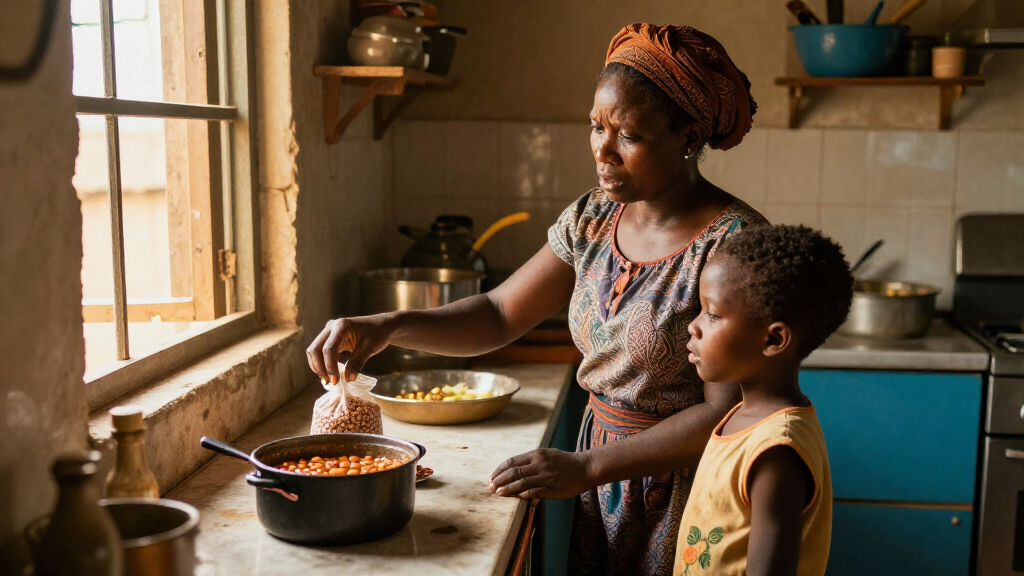
The price of beans in Lagos has increased significantly, leading consumers to cut back on purchases. This development affects household budgets and local markets, with ongoing uncertainty about the causes.
Rising beans prices in Lagos have compelled consumers to buy less of the staple food, according to the News Agency of Nigeria. The increase has impacted household budgets and local markets, with many residents citing affordability concerns as the primary reason for reduced purchases.
Sources in Lagos report that the cost of beans has increased by approximately 20-30% over the past month, driven by supply chain disruptions and rising import costs. Many consumers, especially those in lower-income brackets, are now purchasing smaller quantities or substituting beans with cheaper alternatives.
Market vendors confirm that demand for beans has declined noticeably, with some reporting a 15-25% drop in sales. The price hike has also led to a shift in purchasing patterns, with buyers opting for smaller packages or different varieties that are more affordable.
Officials from local markets suggest that the price increase is partly due to inflation, higher transportation costs, and possibly reduced harvest yields, although exact causes remain under investigation. The government has yet to release an official statement addressing the issue.
Economic Impact of Rising Beans Prices on Lagos Households
The surge in beans prices directly affects household food security, especially for low-income families who rely heavily on beans as a primary protein source. Reduced consumption may lead to nutritional deficiencies if alternatives are not affordable or available. Additionally, the decline in demand could impact local farmers and vendors, potentially leading to economic ripple effects across the food supply chain.
This situation underscores broader inflationary pressures and supply chain vulnerabilities within Nigeria’s food sector, raising concerns about the stability of staple food prices in urban centers like Lagos. If sustained, the price hike could contribute to increased food inflation and hardship for vulnerable populations.
As an affiliate, we earn on qualifying purchases.
Recent Trends and Underlying Factors in Lagos Food Markets
Over the past year, Nigeria has experienced inflationary pressures driven by currency fluctuations, import dependency, and disruptions caused by global supply chain issues. Food prices, including staples like beans, have been volatile, with some reports indicating sporadic shortages and price increases in various regions.
In Lagos, the largest city and economic hub, demand for beans remains high, but supply chain challenges—such as transportation costs and import restrictions—have contributed to recent price increases. Local farmers face difficulties due to inconsistent rainfall and access to inputs, further complicating the supply situation. While some of these factors are longstanding, the recent sharp price hike appears to be exacerbated by external economic pressures, though definitive causes are still being investigated.
Market analysts suggest that the current spike is part of a broader trend of rising food prices across Nigeria, but specific data on the beans market remains limited, and official explanations are pending.
As an affiliate, we earn on qualifying purchases.
Unconfirmed Causes Behind the Beans Price Increase
It is not yet clear what specific factors are driving the recent spike in beans prices. While supply chain disruptions, inflation, and import costs are suspected contributors, official explanations from government agencies or market authorities have not been issued. Details about whether poor harvests or external economic shocks are involved remain unconfirmed.
As an affiliate, we earn on qualifying purchases.
Monitoring and Possible Policy Responses to Food Price Trends
Authorities are expected to investigate the causes of the beans price hike and may implement measures such as import adjustments or market interventions if the trend persists. Consumers and vendors will continue to adapt their purchasing and selling patterns accordingly. Market analysts will likely monitor further price developments and supply chain conditions in the coming weeks.
As an affiliate, we earn on qualifying purchases.
Key Questions
How much have beans prices increased in Lagos?
Prices have increased by approximately 20-30% over the past month, according to market reports and vendor feedback.
Are there alternative sources for affordable beans?
Some consumers are switching to cheaper varieties or smaller packages, but overall availability remains limited as prices climb.
What impact does this have on local farmers?
Reduced demand may negatively affect farmers and vendors, potentially leading to lower income levels and economic strain in the local supply chain.
Is the government involved in addressing this price increase?
Official responses are pending; no formal statements or measures have been announced yet.
Could this trend continue or worsen?
It remains uncertain. Market conditions, supply chain stability, and policy responses will influence future price trajectories.
Source: local
Halloween Picks
halloween
As an affiliate, we earn on qualifying purchases.